Bolts Explained: 25 Types of Bolts and Their Uses (Complete 2026 Guide)
- Eng. Evans Nusu

- Apr 9
- 8 min read
We believe in recommending tools and materials we’d use ourselves. Our recommendations are based on independent research and real-world testing. While we may receive commissions for purchases made through our links, our opinions remain our own — uncompromised and expert-led.
Author: Eng. Evans Nusu
Evans is a project & cost management consultant in the AEC (Architecture, Engineering & Construction) sector, focused on practical procurement decisions and total cost of ownership (TCO). He reviews tools and jobsite gear through an engineering lens—prioritizing measurable specs, compliance, durability, and lifecycle value over hype.
⚙️ Why This Guide Matters
If you’ve ever stood in a hardware store staring at rows of bolts—hex, carriage, anchor, lag—and had no idea which one to choose, you’re not alone.
Choosing the wrong bolt doesn’t just waste money—it can compromise structural integrity, safety, and long-term durability.
👉 This guide exists to fix that.
Unlike generic lists, this is a practical, construction-focused breakdown that shows:
When to use each bolt type
What load conditions they handle
How to choose correctly for real-world builds
📊 Contractor Comparison Table
Bolt Type | Strength Grade | Corrosion Resistance | Best Use Case | Installation |
Hex Bolt | 8.8–12.9 | Medium | Structural steel | Wrench/socket |
Carriage Bolt | 4.6–8.8 | Medium | Wood connections | Nut-tightened |
Lag Bolt | High | Medium | Timber framing | Drill + wrench |
Anchor Bolt | Very High | High | Concrete fixing | Embedded |
Eye Bolt | Medium | Low–High | Lifting loads | Threaded |
U-Bolt | Medium | Medium | Pipe fastening | Clamped |
Flange Bolt | High | Medium | Automotive | Socket |
Shoulder Bolt | Precision | Low | Machinery pivots | Allen key |
Now let’s go deeper.
🔩 25 Types of Bolts and Their Uses
1. Hex Bolts (The Industry Standard)

Specs
Grades: 8.8, 10.9, 12.9
Material: Carbon steel, stainless
Head: Hexagonal
Real-World Benefits
High load-bearing capacity
Easy installation with standard tools
Widely available and standardized
Use Case Positioning
Best for structural steel, machinery, and heavy-duty connections.
Pros
✔ Strong and versatile
✔ Cost-effective
✔ Standardized sizing
Cons
✘ Requires access for tightening
✘ Can corrode without coating
👉 CTA: Check our Editor's pick
2. Carriage Bolts (Wood Specialist)

Specs
Rounded head
Square neck to prevent spinning
Typically low to medium strength
Benefits
Clean, flush finish
Prevents rotation during tightening
Ideal for wood joints
Use Case
Perfect for decking, fencing, and furniture builds.
Pros
✔ Aesthetic finish
✔ Easy installation
✔ Secure in wood
Cons
✘ Not for heavy structural loads
👉 CTA: Check our Editor's pick
3. Anchor Bolts (Concrete Foundations)
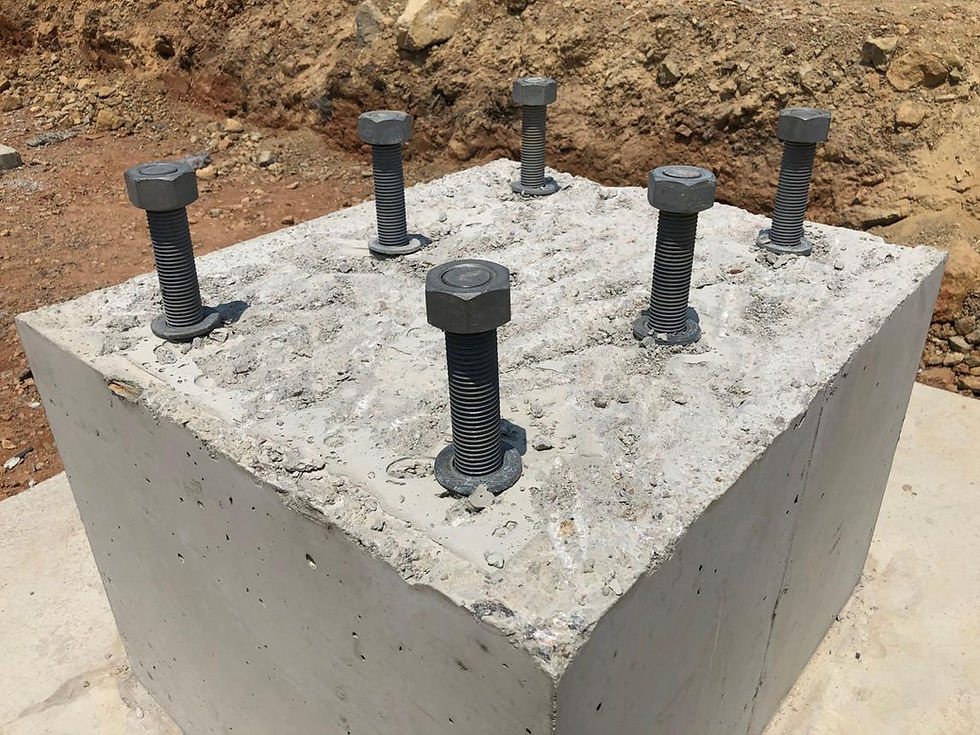
Specs
L-shaped or straight
Embedded in concrete
High tensile strength
Benefits
Extremely strong anchoring
Permanent installation
Critical for structural safety
Use Case
Used in foundation-to-structure connections.
Pros
✔ Maximum holding strength
✔ Long-term durability
Cons
✘ Cannot be repositioned easily
👉 CTA: Check our Editor's pick
4. Lag Bolts (Heavy Wood Fastening)

Specs
Large diameter
Coarse threads
Requires pilot hole
Benefits
Extremely strong in wood
No nut required
Deep penetration
Use Case
Best for timber framing and heavy wood structures.
Pros
✔ High holding power
✔ Durable
Cons
✘ Requires pre-drilling
👉 CTA: Check our Editor's pick
5. Eye Bolts (Lifting & Rigging)

Specs
Loop head
Threaded shaft
Load-rated
Benefits
Enables lifting loads
Easy attachment
Versatile
Use Case
Used in lifting systems, rigging, and suspension.
Pros
✔ Functional design
✔ Easy to use
Cons
✘ Must match load rating exactly
👉 CTA: Check our Editor's pick
6. U-Bolts (Pipe & Round Object Fastening)

Specs
U-shaped with threaded ends
used with nuts + plate
Materials: Steel, galvanized, stainless
Benefits
Securely holds round objects
Even load distribution
Strong clamping force
Use Case
Ideal for pipes, poles, and automotive suspension systems.
Pros
✔ Excellent for curved surfaces
✔ Strong clamping ability
✔ Versatile
Cons
✘ Limited to round applications
👉 CTA: Check our Editor's pick
7. Flange Bolts (Built-In Washer Advantage)

Specs
Integrated washer flange
Hex head
Medium to high strength
Benefits
Distributes load evenly
Reduces need for washers
Prevents loosening
Use Case
Common in automotive and machinery assembly.
Pros
✔ Faster installation
✔ Reduced part count
✔ Secure fastening
Cons
✘ Not ideal for tight recessed spaces
👉 CTA: Check our Editor's pick
8. Shoulder Bolts (Precision Movement)

Specs
Smooth shoulder section
Threaded end
Precision-machined
Benefits
Enables rotation or pivoting
Maintains alignment
High accuracy
Use Case
Used in machinery, pulleys, and moving components.
Pros
✔ Precision fit
✔ Durable
✔ Ideal for motion
Cons
✘ More expensive than standard bolts
👉 CTA: Check our Editor's pick
9. J-Bolts (Embedded Anchoring)

Specs
J-shaped end
Threaded top
Embedded in concrete
Benefits
Strong anchoring
Prevents pull-out
Long-term stability
Use Case
Ideal for foundations and structural anchoring.
Pros
✔ High holding strength
✔ Reliable
Cons
✘ Permanent installation
👉 CTA: Check our Editor's pick
10. T-Bolts (Slot-Based Systems)

Specs
T-shaped head
Fits into slots
Steel or stainless
Benefits
Adjustable positioning
Strong hold in tracks
Easy repositioning
Use Case
Used in machine tables and aluminum extrusion systems.
Pros
✔ Flexible
✔ Reusable
✔ Strong
Cons
✘ Requires compatible slot system
👉 CTA: Check our Editor's pick
11. Elevator Bolts (Flush Surface Fastening)

Specs
Large flat head
Square neck
Thin profile
Benefits
Flush finish
Prevents snagging
Strong hold
Use Case
Common in conveyor belts and elevators.
Pros
✔ Smooth surface
✔ Durable
Cons
✘ Limited applications
👉 CTA: Check our Editor's pick
12. Plow Bolts (Heavy Wear Surfaces)

Specs
Countersunk head
Square neck
High-strength steel
Benefits
Flush installation
Resists wear
Heavy-duty
Use Case
Used in plows, graders, and heavy equipment blades.
Pros
✔ Extremely durable
✔ Flush finish
Cons
✘ Requires precise installation
👉 CTA: Check our Editor's pick
13. Step Bolts (Climbing Structures)

Specs
Wide head
Textured grip
Steel construction
Benefits
Provides foothold
High strength
Weather-resistant
Use Case
Used in utility poles and towers.
Pros
✔ Safe climbing support
✔ Durable
Cons
✘ Niche use
👉 CTA: Check our Editor's pick
14. Track Bolts (Railway Systems)

Specs
Heavy-duty
High tensile strength
Designed for vibration resistance
Benefits
Secures rails
Withstands vibration
Long lifespan
Use Case
Critical for railway track fastening systems.
Pros
✔ Extremely strong
✔ Reliable
Cons
✘ Specialized use
👉 CTA: Check our Editor's pick
15. Square Head Bolts (Traditional Strength)

Specs
Square head
Large gripping surface
Steel construction
Benefits
Easy wrench grip
Classic design
Strong
Use Case
Used in restoration and heavy timber framing.
Pros
✔ Strong grip
✔ Durable
Cons
✘ Less common today
👉 CTA: Check our Editor's pick
16. Double End Bolts (Stud Alternative)

Specs
Threaded on both ends
No head
Steel
Benefits
Secure connections
Compact
High strength
Use Case
Used in machinery and flanged connections.
Pros
✔ Strong
✔ Space-saving
Cons
✘ Requires precise alignment
👉 CTA: Check our Editor's pick
17. Machine Bolts (General Purpose)

Specs
Uniform threading
Medium strength
Various heads
Benefits
Versatile
Widely available
Easy to use
Use Case
Used in general machinery and equipment.
Pros
✔ Affordable
✔ Flexible
Cons
✘ Not for heavy structural loads
👉 CTA: Check our Editor's pick
18. Tap Bolts (Full Thread Strength)

Specs
Fully threaded
Hex head
Steel
Benefits
Maximum grip
Adjustable
Strong
Use Case
Used in tight fastening situations.
Pros
✔ Strong hold
✔ Flexible
Cons
✘ Can strip if overtightened
👉 CTA: Check our Editor's pick
19. Allen Bolts (Tight Spaces)

Specs
Internal hex socket
Compact head
High strength
Benefits
Ideal for tight spaces
Clean look
Strong
Use Case
Used in machinery, furniture, and compact assemblies.
Pros
✔ Space-efficient
✔ Strong
Cons
✘ Requires hex key
👉 CTA: Check our Editor's pick
20. Security Bolts (Tamper-Proof)

Specs
Specialized head design
Requires unique tools
Steel or stainless
Benefits
Prevents tampering
Enhances security
Durable
Use Case
Used in public infrastructure and security installations.
Pros
✔ Tamper-resistant
✔ Reliable
Cons
✘ Hard to remove
👉 CTA: Check our Editor's pick
21. Structural Bolts (Maximum Strength)

Specs
Grades: 10.9, 12.9
Heavy-duty
High preload
Benefits
Extreme strength
Handles heavy loads
Reliable
Use Case
Used in bridges, buildings, and steel structures.
Pros
✔ Maximum durability
✔ Industry standard
Cons
✘ Requires precise torque
👉 CTA: Check our Editor's pick
22. Expansion Bolts (Concrete Fastening)

Specs
Expands inside concrete
Steel body
Sleeve design
Benefits
Strong grip
Easy installation
No embedding needed
Use Case
Used for retrofitting into concrete.
Pros
✔ Quick install
✔ Strong hold
Cons
✘ Limited reuse
👉 CTA: Check our Editor's pick
23. Toggle Bolts (Hollow Walls)

Specs
Spring-loaded wings
Expands behind wall
Steel
Benefits
Strong in hollow walls
Easy install
Secure
Use Case
Used in drywall and hollow partitions.
Pros
✔ Strong hold in drywall
✔ Affordable
Cons
✘ Requires large hole
👉 CTA: Check our Editor's pick
24. Stud Bolts (High-Pressure Systems)

Specs
Threaded both ends
No head
High strength
Benefits
Even load distribution
Strong connections
Ideal for pressure systems
Use Case
Used in oil, gas, and piping systems.
Pros
✔ Reliable
✔ High strength
Cons
✘ Requires nuts on both ends
👉 CTA: Check our Editor's pick
25. Foundation Bolts (Structural Anchoring)

Specs
Embedded in concrete
Various shapes (L, J, straight)
Heavy-duty
Benefits
Secures structures
Long-term stability
Critical for safety
Use Case
Used in building foundations and structural supports.
Pros
✔ Extremely strong
✔ Permanent
Cons
✘ Cannot be adjusted
👉 CTA: Check our Editor's pick
Methodology: How We Chose & Ranked These Picks
To keep this list useful (and not just marketing), we use a repeatable, spec-driven selection process designed for real buyers.
Step 1: Define the use-cases (what “best” actually means).
We first map products to common scenarios (e.g., daily professional use, occasional DIY, high-noise environments, comfort-first long wear, best value). Products are evaluated within those use-cases, not as a single vague “winner.”
Step 2: Build a scoring rubric (so every product is judged the same way).
Each product is scored across the categories below (weighted to reflect what matters most in real-world use):
Safety / performance specs (35%): certified ratings, measurable protection/performance metrics, compliance claims (where applicable).
Fit, comfort & usability (20%): adjustability, long-wear comfort, interference with other PPE, ease of don/doff.
Durability & build (15%): materials, hinge/seal quality, expected service life, replaceable parts.
Features that solve pain points (15%): communication-friendly design, low-profile clearance, compatibility, controls.
Value & lifecycle cost (10%): warranty, replaceables, cost-to-own over time.
Brand support & availability (5%): support, spares, consistency, availability.
Step 3: Verify claims using primary sources.
We prioritize manufacturer datasheets, official manuals, and recognized standards/testing references over retail listings. If a key spec can’t be verified, the product is downgraded or excluded.
Step 4: Filter out “looks good on paper” problems.
Even for spec-based lists, we sanity-check for common failure points: discomfort over long wear, poor sealing/fit, fragile joints, confusing controls, hard-to-find replacement parts, and inconsistent sizing.
Step 5: Rank + assign awards based on best-fit, not hype.
Final rankings reflect score + use-case fit. That’s why you’ll see picks like “Best for Pros,” “Best Budget,” and “Best for Long Wear”—because the right choice depends on how you’ll use it.
Note: When hands-on testing isn’t possible for every model, we label the process as spec-based and focus on verifiable data + predictable real-world factors (fit, durability, lifecycle cost).
Technical Buying Guide for Contractors
Let’s move beyond marketing.
1. Shear vs Tensile Load
Bolts primarily fail in:
Tensile overload
Shear failure
Fatigue failure
Corrosion degradation
In structural joints, clamp force from proper torque prevents shear loading.
Are your crews using torque specifications or just guessing?
2. Torque & Preload
Preload = clamping force created during tightening.
Higher property class bolts allow:
Higher torque
Greater preload
Better joint integrity
Without proper preload, bolts experience cyclic fatigue.
Fatigue failures don’t announce themselves.
3. Corrosion Types Contractors Should Know
Uniform corrosion
Galvanic corrosion (mixed metals)
Crevice corrosion
Pitting corrosion
Installing stainless into carbon steel without isolation? You may accelerate galvanic corrosion.
4. Zinc-Plated vs Stainless
Feature | Zinc-Plated | Stainless 304 |
Cost | Lower | Higher |
Corrosion Resistance | Moderate | High |
Strength Options | High grades available | Lower max strength |
Outdoor Durability | Moderate | Excellent |
5. When Piece Count Actually Matters
A 1,000+ piece kit:
Supports multi-crew operation
Reduces logistics cost
Improves project continuity
Ask yourself: "Do you calculate downtime cost in your hardware decisions?"
Frequently Asked Questions
What is the strongest type of bolt?
Structural bolts (Grade 10.9 or 12.9) are among the strongest.
Are stainless steel bolts stronger than regular steel?
No—they resist corrosion better, but high-grade steel is stronger.
What bolts should I use for concrete?
Anchor bolts or expansion bolts.
What is the difference between a screw and a bolt?
Bolts require a nut; screws typically thread directly into material.
What grade bolt is best for construction?
Grade 8.8 minimum, 10.9+ for heavy-duty applications.
Final Engineering Recommendation
If you're a general contractor managing diverse builds:
If you handle heavy mechanical or machinery installations:
If your projects involve outdoor or coastal exposure:
