Expert Commercial EV Charging Station Installation in Kenya
Choose our commercial ev charging station installation services to ensure efficient and reliable EV charging solutions for your property. We specialize in commercial ev charging station installation, offering tailored infrastructure for offices, shopping malls, and fleet facilities. Elevate your property's value and cater to the growing EV market with our professional installation solutions.

Why EV Charging Infrastructure Matters
Electric vehicle adoption is increasing across Kenya and East Africa. Property owners, businesses, developers and fleet operators are preparing for the future by installing reliable charging infrastructure.
Whether you own a residential property, office complex, hotel, shopping centre or fleet facility, a professionally designed charging system ensures safe operation, reduced downtime and compliance with electrical standards.

Services

Residential EV Charger Installation
For:
-
Homes
-
Villas
-
Residential compounds
-
Luxury developments
Include:
-
Tesla Wall Connectors
-
Type 2 Chargers
-
Smart Home Integration

Commercial EV Charging Solutions
For:
-
Office buildings
-
Shopping centres
-
Hotels
-
Hospitals
Include:
-
Public charging
-
Multiple charging points
-
Load balancing

Fleet Charging Infrastructure
For:
-
Logistics companies
-
Delivery fleets
-
Corporate fleets
-
Government institutions
Include:
-
High-capacity charging
-
Charging management systems
-
Energy monitoring
Charger Types
EV Charger Types We Supply and Install
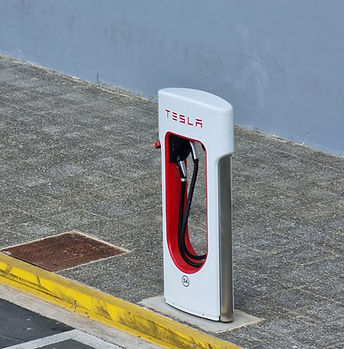
Tesla Chargers
Compatible with Tesla vehicles and supported adapters.

European Chargers (Type 2)
Most common standard used globally.

CCS/DC Fast Chargers
Fast charging solutions for commercial applications. Ideal for high traffic locations, fleet facilities, and highway charging stations

Chinese Standard Chargers (GB/T)
Compatible with many imported EVs from China.
Which EV Charger Is Right For You?
Homeowner: 7kW AC Charger
Apartment Development: Shared smart charging network
Hotel: Public AC chargers
Fleet Operator: DC Fast Chargers
Before Installation We Evaluate
1. Electrical Load Capacity
Can the building support EV charging?
2. Transformer Capacity
Will charging overload existing infrastructure?
3. Cable Sizing
Proper conductor sizing for safety.
4. Distribution Boards
Protection and load balancing analysis.
5. Future Expansion
Planning for additional chargers later.
Process Timeline
1
Site Visit
2
Electrical Assessment
3
System Design
4
Procurement
5
Installation
6
Testing & Commissioning
7
Maintenance Support
Industries Served

Residential Homes

Apartment Complexes

Hotels

Office Buildings

Shopping Malls

Hospitals

Universities

Fleet Operators

Government Facilities

Industrial Parks
Frequently Asked Questions
A. How much does an EV charging station cost in Kenya?
Depends on:
-
Charger type
-
Power rating
-
Installation complexity
-
Distance from power source
B. Can my house support an EV charger?
Most homes can support Level 2 charging after an electrical assessment.
C. How long does installation take?
Typically 1–5 days depending on scope.
D. Do you supply chargers?
Yes. We procure chargers from leading global manufacturers and install them according to project requirements.
E. Do you provide maintenance?
Yes. Preventive and corrective maintenance services are available.