Best Garden Shovels for Digging in 2026: 7 Top Picks for Tough Soil, Root Cutting, and Everyday Landscaping

We believe in recommending tools and materials we’d use ourselves. Our recommendations are based on independent research and real-world testing. While we may receive commissions for purchases made through our links, our opinions remain our own un-compromised and expert-led.
Author: Sarah Uwase is a Project and Cost Management Consultant who helps construction professionals and homeowners make informed decisions throughout the project lifecycle. Drawing on her background in Civil Engineering and Construction Management, she evaluates project strategies, materials, and costs to maximize long-term value and safety. By combining technical expertise with practical insight, she delivers research-driven recommendations that improve project quality and prevent costly mistakes.
Introduction
Choosing the right garden shovel is not just about buying a tool with a sharp blade. A shovel influences how quickly you break ground, how much strain your back and wrists absorb, how cleanly you slice through roots, and whether the tool lasts through one season or many years of hard use. In gardening, landscaping, trenching, transplanting, and site cleanup, a shovel is often the difference between smooth work and exhausting work.
This guide focuses on seven shovel models drawn from your uploaded product file, including digging spades, root-cutting shovels, square shovels, compact utility shovels, and specialty models for hard ground and metal detecting. I’m treating the product data as the source of truth for pricing and specifications, and where the file does not provide live consumer review scores, I assign an editorial rating based on build quality, usability, durability, and value.
If you are trying to work faster, reduce fatigue, and pick a shovel that actually fits the soil and task in front of you, this comparison will help.
Editor’s Picks
Rank | Product | Price | Best for | Why it stands out |
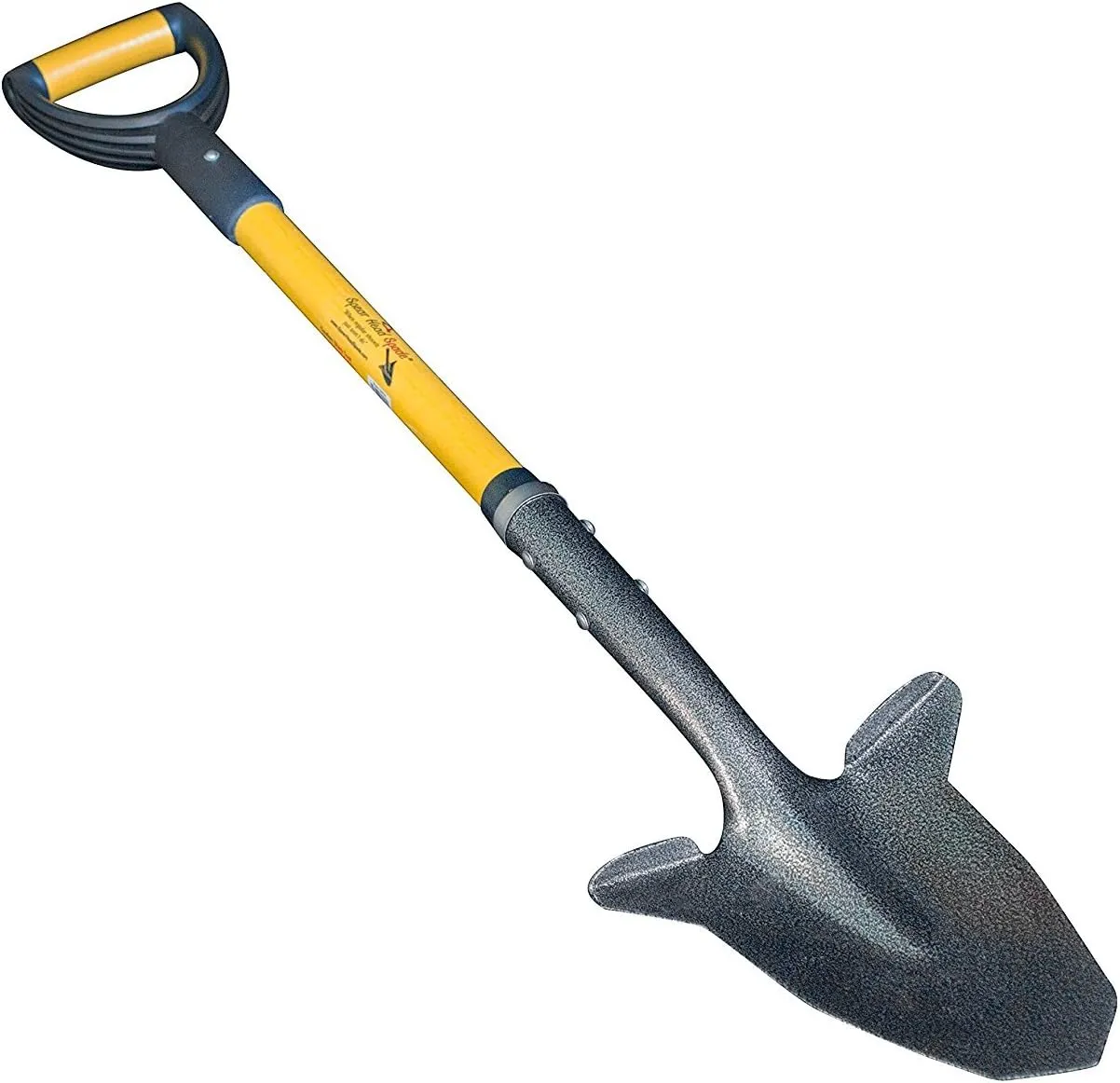
General digging and planting | Excellent balance of blade shape, fiberglass durability, and ergonomic control | |||
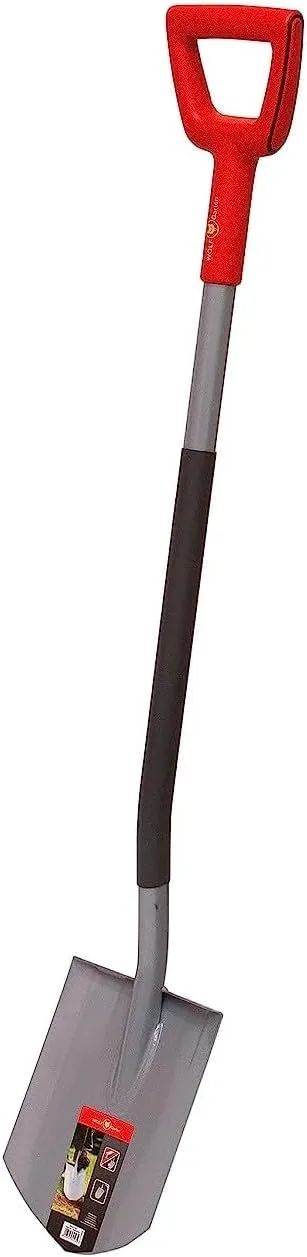
Hard, rocky ground | Premium boron steel blade and upright working position reduce fatigue | |||
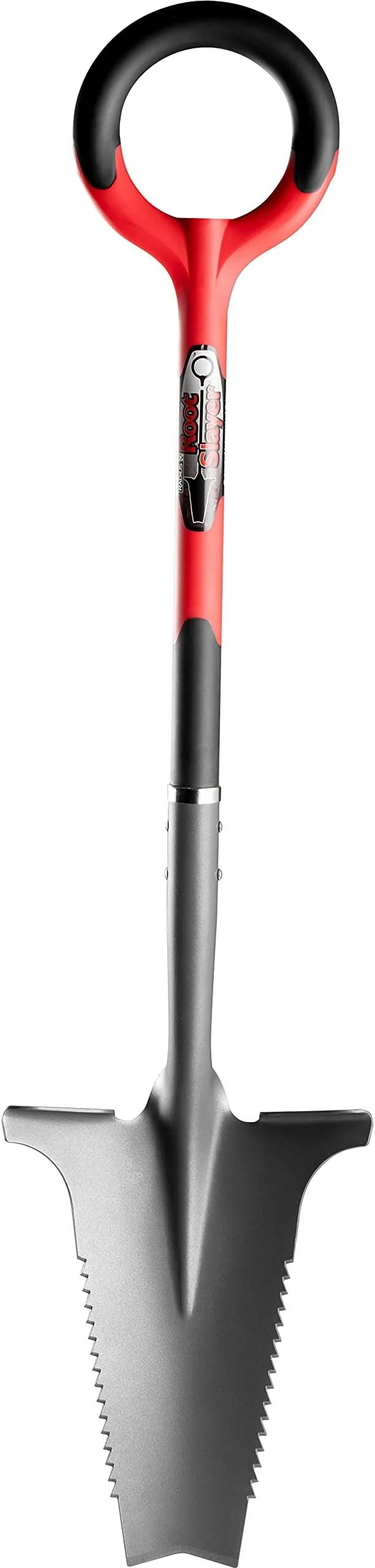
Root-heavy soil | Serrated blade and inverted V tip make root cutting much easier |
Comparison Table
Product | Price | Type / Blade Style | Key Build Features | Editorial Rating |
Spear-shaped spade | Fiberglass handle, carbon manganese steel blade, D-grip | 9.4/10 | ||
Serrated root-cutter shovel | Powder-coated carbon steel, inverted V tip, resin-encased shaft | 9.3/10 | ||
Compact utility shovel | Fiberglass handle, anti-rust coating, lightweight body | 8.1/10 | ||
Point spade | Boron steel blade, ergonomic D-handle, reinforced shaft | 9.7/10 | ||
Flat square shovel | High-carbon steel blade, double-rivet structure, thick fiberglass handle | 9.0/10 | ||
Short D-handle shovel | 38" overall length, 11 1/4" blade, 4 lb weight | 8.8/10 | ||
Round/trenching shovel | Hardened round blade, D-handle, durable non-conductive handle | 8.9/10 |
Why Choosing the Right Garden Shovel Matters
A shovel is not a one-size-fits-all tool. Different blade geometries are designed for different soil behaviors. A pointed spade works better when you need to pierce compact ground. A serrated or root-cutting blade performs better where roots, clay, or packed dirt slow ordinary digging. A square shovel is stronger for lifting, leveling, transferring, and slicing straight edges into soil or gravel. A round shovel is often more effective for scooping and trenching.
The handle matters just as much as the blade. A fiberglass handle is typically lighter and more weather-resistant than wood, and it often handles repeated shock better. A steel-reinforced shaft improves durability under load. A D-handle improves control and pulling leverage, while a longer straight shaft often gives you better reach and a more upright posture.
Weight and balance determine fatigue. A lightweight shovel may feel easy at first, but if it bends, flexes too much, or lacks foot support, your work slows down. A heavier tool can feel more stable in hard soil, but only if the design distributes weight properly. That is why blade thickness, tread plate size, shaft reinforcement, and grip comfort all matter.
If you are gardening regularly, the wrong shovel can lead to poor posture, blisters, reduced leverage, and wasted time. The right shovel saves effort, protects your body, and makes each cut cleaner and more predictable.
Overview
The SHFD3 is the strongest all-around shovel in this lineup for general gardening, planting, and tough soil work. Its 40-inch overall length gives good leverage without becoming awkward, and the 9" x 11" beveled blade makes it versatile enough for digging, transplanting, and separating perennials. The spear-shaped geometry is especially useful in rocky or resistant ground because it helps the blade find the path of least resistance instead of forcing a broad cut.
Key specifications
Overall length: 40"
Blade size: 9" x 11"
Blade material: carbon manganese steel
Handle: steel-reinforced fiberglass
Grip: cushioned UV-resistant D-grip
Footrests: forward-bent for better downward pressure
Real-world benefits
This shovel is built for the kind of work that punishes weak tools. The reinforced fiberglass shaft adds weather resistance and structural stability, while the carbon manganese steel blade feels more aggressive than a standard lightweight spade. The self-sharpening, powder-coated head is also smart for long-term use because abrasion gradually exposes the pre-sharpened edge. For users who dig repeatedly in hard or rocky soil, that means less maintenance and more consistent cutting performance.
The ergonomic D-grip and footrests improve control when you need to transfer force from your body into the blade. That matters when digging holes for shrubs, working through dense root zones, or breaking new beds.
Pros
Excellent all-purpose design
Strong blade-to-handle combination
Comfortable ergonomic grip
Good balance of strength and weight
Cons
Not the cheapest option
Better suited to serious gardeners than very casual users
Best for
Homeowners, gardeners, and landscapers who want one shovel that can handle most digging and planting tasks well.
Overview
The Root Slayer is a purpose-built tool for stubborn ground. Unlike traditional smooth-edged shovels, this one uses a serrated blade and a sharpened inverted V tip to attack roots, compact dirt, and difficult soil structures. That makes it especially valuable for garden beds that have become root-bound or neglected areas where regular shovels stall quickly.
Key specifications
Blade style: serrated root-cutting design
Blade material: carbon steel
Finish: powder-coated for rust resistance
Shaft: resin-encased steel
Function: digging, planting, root cutting, landscaping
Real-world benefits
The big strength here is control. The serrated edge helps bite into roots rather than sliding over them, and the V-shaped point creates a more concentrated pressure point at the tip. That means less force wasted on repeated stabbing and less strain on hands and wrists. The powder-coated finish also helps protect the blade from corrosion during outdoor use.
This model is ideal where digging is not just about moving soil, but about cutting through root systems, compacted beds, and packed earth. It is also useful for transplanting shrubs where roots have entangled the surrounding ground.
Pros
Best in this list for root cutting
Sharp, aggressive blade geometry
Good leverage in compact soil
Durable rust-resistant coating
Cons
Less ideal for simple scooping or leveling
Can feel specialized if you only need a general-purpose shovel
Best for
Gardeners dealing with roots, clay, compact soil, or overgrown planting areas.
Overview
Despite the “kids” label, this 28-inch compact shovel is really a small utility tool for tight spaces, light outdoor work, camping, and emergency use. Its shorter length makes it easier to store in a trunk or backpack, and the fiberglass handle gives it better strength and weather resistance than cheap plastic alternatives.
Key specifications
Overall length: 28"
Material: metal shovel head + fiberglass handle
Weight: 1.7 lb
Surface treatment: anti-rust coating
Use cases: gardening, camping, beach digging, snow clearing
Real-world benefits
This is the most portable shovel in the set. It is useful when a long-handled shovel is too large to maneuver around a car, a narrow planting spot, a campsite, or a sandbox. The quenched metal head improves hardness, which helps it survive repeated contact with hard surfaces.
Because it is lightweight, it is far less tiring to carry and move around. That makes it practical for quick jobs, children’s gardening, and utility use in compact spaces. It is not built for heavy landscaping, but it excels at convenience.
Pros
Very portable
Lightweight and easy to store
Rust-resistant construction
Good for small jobs and emergency use
Cons
Not suitable for heavy digging
Limited leverage compared with full-size shovels
Best for
Camping, small gardens, vehicle emergencies, beach use, and light-duty digging.
Overview
This is the premium shovel in the lineup, and it shows in the material choice and ergonomic design. The induction-hardened boron steel blade is designed for durability, and the ergonomic D-handle encourages a more upright working posture. For users who regularly work hard or rocky ground, the combination of blade strength and body-friendly design is a major advantage.
Key specifications
Blade material: induction-hardened boron steel
Handle: ergonomic D-handle
Shaft: reinforced steel with non-slip surface
Intended use: hard, rocky surfaces
Working posture: back-friendly, upright operation
Real-world benefits
Boron steel is the standout here. In practical terms, this means better wear resistance and a more durable cutting edge than basic garden-grade steel. The reinforced shaft adds confidence when prying through dense ground, while the non-slip surface improves control in wet or sweaty conditions. The handle length and tread edge are especially valuable for reducing back strain.
This is the shovel for people who value comfort and performance equally. It is not the lightest model, but it is one of the most refined.
Pros
Premium blade material
Excellent ergonomics
Strong performance on rocky ground
Comfortable upright working position
Cons
Highest price in this list
More than many casual gardeners need
Best for
Frequent users, serious gardeners, and anyone digging in hard, rocky soil.
Overview
The square shovel is a strong flat-blade option made for moving soil, sand, gravel, and other bulk materials. The 58-inch length is generous, which improves leverage and reduces bending. A square shovel is especially useful when you need a straight cutting edge for leveling, edging, and transferring loose material efficiently.
Key specifications
Overall length: 58"
Blade material: high-carbon steel
Handle: thickened fiberglass
Grip: dual-section anti-slip rubber
Build: double-rivet reinforcement
Weight: 5.5 lb
Real-world benefits
This model is engineered for load transfer rather than root-cutting. The flat blade and strong shaft let you scoop and move more material in a controlled way, while the oversized footplate helps drive the blade into compact soil. The longer length also improves posture, which matters during extended work.
The double-rivet reinforcement is a nice structural detail because shovel heads often fail at the connection point first. The rust-resistant coating adds useful longevity for outdoor storage and repeated seasonal use.
Pros
Excellent for moving and leveling material
Strong handle and head connection
Comfortable grip design
Good leverage from the long handle
Cons
Not the best for root cutting
Heavier than some all-purpose alternatives
Best for
Landscaping, gravel transfer, soil leveling, and heavy garden maintenance.
Overview
The Ground Shark is a compact but serious digging tool with a 38-inch overall length and a D-handle layout. At 4 lbs, it sits in the middle of the weight range, which helps it feel more controlled than ultra-light models while remaining manageable for repeated use. Its 11 1/4" by 5 1/4" blade size gives it a practical balance between precision and digging power.
Key specifications
Overall length: 38"
Blade length: 11 1/4"
Blade width: 5 1/4"
Handle type: D-handle
Weight: 4 lbs
Real-world benefits
This is a versatile utility shovel for users who want something smaller than a long landscaping shovel but more capable than a tiny camping tool. The D-handle improves two-handed control, which is useful when digging in tougher spots or pulling through compact soil. The shorter length also makes it easier to store and transport.
Because of its balance and blade dimensions, it is a good option for metal detecting work, small excavation, and controlled digging in tight areas. It is not the most specialized or the most powerful, but it is very practical.
Pros
Good balance of size and control
Easy to transport
Useful for tight spaces
D-handle improves grip
Cons
Less reach than long-handled models
Not as aggressive as root-cutting designs
Best for
Utility digging, metal detecting, and smaller landscaping jobs.
Overview
The Ashman is a heavy-duty round/trenching shovel designed for multipurpose digging, moving compost, trenching, and general soil work. Its hardened round blade makes it useful for cutting, lifting, and scooping, while the D-handle gives it solid two-handed control. This is a practical all-around workhorse for users who want strength without a premium price.
Key specifications
Length: 41"
Blade style: round/trenching blade
Handle: D-handle
Blade: hardened and sharpened
Use cases: trenching, transplanting, compost, soil movement
Real-world benefits
A round shovel is valuable when the job requires both penetration and scooping. The Ashman handles hard soil well and is also useful for clearing debris or moving material from one spot to another. The low-conductivity handle is a nice additional detail for comfort and insulation.
The sharpened blade helps it cut into compact soil more easily than a dull utility shovel. It is not as specialized as the Root Slayer and not as premium as the Wolf-Garten, but it offers practical versatility at a lower price.
Pros
Strong value for money
Good for trenching and scooping
Comfortable D-handle
Durable construction
Cons
Not the most refined ergonomic design
Less premium than the top-tier options
Best for
Gardeners and landscapers who want a durable, low-cost general-purpose digging shovel.
Frequently Asked Questions
1) What is the best shovel for hard soil?
For hard soil, the Wolf-Garten ASP-D and SHFD3 are the strongest overall picks. If the ground also contains roots, the Root Slayer is the best specialist option.
2) What is the difference between a spade and a shovel?
A spade usually has a flatter or more pointed blade and is better for cutting, edging, and digging. A shovel often has a more curved or scooping blade and is better for moving loose material.
3) Is fiberglass better than wood for a shovel handle?
Fiberglass is usually better for weather resistance, durability, and low maintenance. Wood can feel traditional and comfortable, but it is generally more vulnerable to moisture and long-term wear.
4) Which shovel is best for root cutting?
The Root Slayer 22011 is the best root-cutting shovel in this list because of its serrated edge and inverted V tip.
5) Which shovel is best for general gardening?
The SHFD3 40" Yellow Garden Spade Shovel is the best all-around choice for most gardeners.
6) Do longer shovels reduce back strain?
Often yes. A longer shovel can encourage a more upright posture, which can reduce bending and strain, provided the tool is still balanced and not overly heavy.
7) What should I look at before buying a shovel?
Focus on blade shape, handle material, shaft reinforcement, total weight, grip comfort, rust protection, and whether the tool matches the soil type and task.
Conclusion
The right garden shovel should match the job, not just the price tag. If you need a strong all-rounder, the SHFD3 40" Yellow Garden Spade Shovel is the best balance of strength, control, and comfort. If your soil is packed with roots, the Root Slayer is the smartest specialist tool. If you want premium durability and ergonomic performance, the Wolf-Garten ASP-D is the standout choice.
For lighter utility work, the KOLEIYA compact shovel is easy to carry and store. For trenching, lifting, and moving material, the Ashman and Square Shovel models offer practical strength. And if you need a compact but serious digging tool, the Ground Shark Model 38 sits neatly between portability and performance.

