Ultimate Guide to Smart Home Hubs: Everything You Need to Know in 2026
- Brandly Ombonyo

- Jun 18
- 9 min read
We believe in recommending tools and materials we’d use ourselves. Our recommendations are based on independent research and real-world testing. While we may receive commissions for purchases made through our links, our opinions remain our own — un-compromised and expert-led.
Author: Brandly Ombonyo is a Project Management Consultant specializing in automation, advanced security, and intelligent systems integration. He delivers expert design, procurement, and deployment of surveillance, access control, and energy management solutions for developers. Ultimately, Brandly engineers secure, future-ready environments that maximize operational excellence and long-term asset value.
Introduction
Smart homes have evolved dramatically over the last few years. Modern hubs and smart speakers no longer simply respond to voice commands; they act as centralized control systems capable of connecting lighting, security, climate control, entertainment systems, and energy management devices into one seamless ecosystem.
For this guide, we evaluated products based on ecosystem support, automation capabilities, protocol compatibility, ease of setup, long-term value, privacy features, local control options, and overall performance. Whether you're building your first smart home or upgrading an advanced automation setup, this guide will help you choose the right solution for your needs.
Editor’s Picks
Product | Price | Category | Best For |
Homey Pro  | Smart home hub | A premium experience, versatile | |
Amazon Echo  | Smart home hub | Best value for price | |
Home Assistant Green  | Smart home hub | Open source, advanced automation | |
Hubitat Elevation C-8 Pro 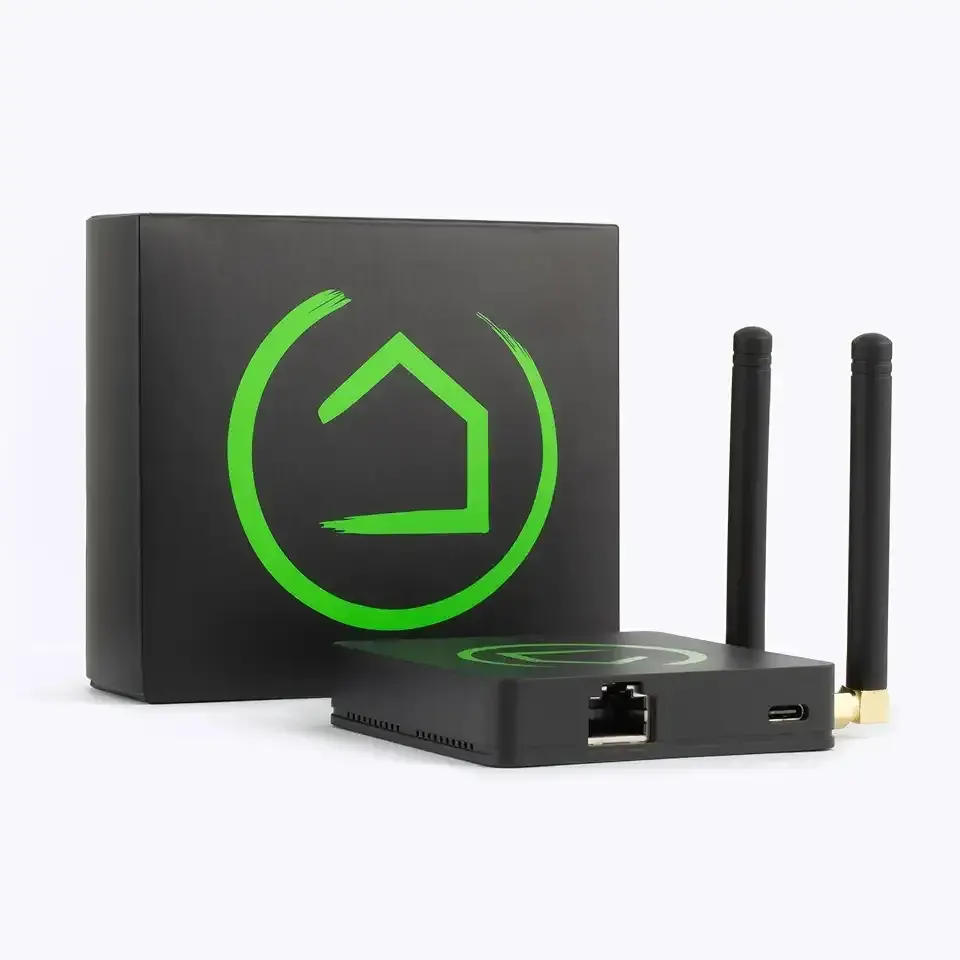 | Smart home hub | Privacy and power users | |
HomePod mini  | Smart home hub | Apple users |
Comparison Table
Product | Price | Category | Best For | Verdict |
Amazon Echo Show 5  | Hub/Speaker | Best Budget Smart Display | Recommended when on a budget | |
Sonos Era 100  | Hub/Speaker | Best Smart Speaker for Audio Quality | Recommended if quality sound is a priority | |
Apple HomePod mini  | Hub/Speaker | Best for Apple Users | Recommend for ecosystem seamlesness | |
Google Nest Hub (2nd Gen)  | Hub/Speaker | Best Google Ecosystem Display | Recommended for visualisation on a display | |
Aeotec Smart Home Hub  | Hub/Speaker | Best SmartThings Hub | Recommended for compartability | |
Hubitat Elevation C-8 Pro  | Hub/Speaker | Best Local Automation Hub | Recommended for privacy | |
Home Assistant Green  | Hub/Speaker | Best Open-Source Platform | Recommended for open source use | |
Homey Pro  | Hub/Speaker | Best Premium Smart Home Hub | Recommended for a premium experience | |
Aqara Smart Home Hub M3  | Hub/Speaker | Best Matter & Thread Hub | Recommended for commercial use |
#2 Amazon Echo Show 5
Why We Included It: Best Budget Smart Display
Overview: This product stands out within its category because it balances usability, ecosystem integration, and future-ready smart-home support. Buyers looking for reliability, ease of setup, and broad compatibility will find significant value here.
Key Benefits: Simplifies device management through a centralized control platform. Reduces friction between devices from different manufacturers. Supports automation routines that save time and improve convenience.
Real-World Use Cases: Morning routines can automatically adjust lights, climate settings, and media playback. Security devices can trigger alerts and actions throughout the home. Energy-conscious users can automate schedules to reduce electricity consumption.
Pros: Strong ecosystem support. Reliable performance. User-friendly setup Good long-term value
Cons: Ecosystem limitations may apply. Advanced features may require additional devices.
Who Should Buy It: Ideal for homeowners, renters, technology enthusiasts, and users looking to expand their smart-home ecosystem over time.
Buying Verdict: This remains one of the strongest options in its price segment due to its combination of performance, compatibility, and future scalability.
Price: check price on amazon
#3 Sonos Era 100
Why We Included It: Best Smart Speaker for Audio Quality.
Overview: This product stands out within its category because it balances usability, ecosystem integration, and future-ready smart-home support. Buyers looking for reliability, ease of setup, and broad compatibility will find significant value here.
Key Benefits: Simplifies device management through a centralized control platform. Reduces friction between devices from different manufacturers. Supports automation routines that save time and improve convenience.
Real-World Use Cases: Morning routines can automatically adjust lights, climate settings, and media playback. Security devices can trigger alerts and actions throughout the home. Energy-conscious users can automate schedules to reduce electricity consumption.
Pros: Strong ecosystem support, reliable performance, user-friendly setup, good long-term value
Cons: Ecosystem limitations may apply. Advanced features may require additional devices
Who Should Buy It: Ideal for homeowners, renters, technology enthusiasts, and users looking to expand their smart-home ecosystem over time.
Buying Verdict: This remains one of the strongest options in its price segment due to its combination of performance, compatibility, and future scalability.
Price: check price on amazon
#4 Apple HomePod mini
Why We Included It: Best for Apple Users.
Overview: This product stands out within its category because it balances usability, ecosystem integration, and future-ready smart-home support. Buyers looking for reliability, ease of setup, and broad compatibility will find significant value here.
Key Benefits: Simplifies device management through a centralized control platform.
Reduces friction between devices from different manufacturers. Supports automation routines that save time and improve convenience.
Real-World Use Cases: Morning routines can automatically adjust lights, climate settings, and media playback. Security devices can trigger alerts and actions throughout the home. Energy-conscious users can automate schedules to reduce electricity consumption.
Pros: Strong ecosystem support, reliable performance, user-friendly setup, good long-term value.
Cons: Ecosystem limitations may apply. Advanced features may require additional devices.
Who Should Buy It: Ideal for homeowners, renters, technology enthusiasts, and users looking to expand their smart-home ecosystem over time.
Buying Verdict: This remains one of the strongest options in its price segment due to its combination of performance, compatibility, and future scalability.
Price: check price on amazon
#5 Google Nest Hub (2nd Gen)
Why We Included It: Best Google Ecosystem Display.
Overview: This product stands out within its category because it balances usability, ecosystem integration, and future-ready smart-home support. Buyers looking for reliability, ease of setup, and broad compatibility will find significant value here.
Key Benefits: Simplifies device management through a centralized control platform.
Reduces friction between devices from different manufacturers. Supports automation routines that save time and improve convenience.
Real-World Use Cases: Morning routines can automatically adjust lights, climate settings, and media playback. Security devices can trigger alerts and actions throughout the home. Energy-conscious users can automate schedules to reduce electricity consumption.
Pros: Strong ecosystem support, reliable performance, user-friendly setup, good long-term value.
Cons: Ecosystem limitations may apply and advanced features may require additional devices.
Who Should Buy It: Ideal for homeowners, renters, technology enthusiasts, and users looking to expand their smart-home ecosystem over time.
Buying Verdict: This remains one of the strongest options in its price segment due to its combination of performance, compatibility, and future scalability.
Price: check price on amazon
#6 Aeotec Smart Home Hub
Why We Included It: Best SmartThings Hub.
Overview: This product stands out within its category because it balances usability, ecosystem integration, and future-ready smart-home support. Buyers looking for reliability, ease of setup, and broad compatibility will find significant value here.
Key Benefits: Simplifies device management through a centralized control platform. Reduces friction between devices from different manufacturers. Supports automation routines that save time and improve convenience.
Real-World Use Cases: Morning routines can automatically adjust lights, climate settings, and media playback. Security devices can trigger alerts and actions throughout the home. Energy-conscious users can automate schedules to reduce electricity consumption.
Pros: Strong ecosystem support, reliable performance, user-friendly setup, good long-term value
Cons: Ecosystem limitations may apply. Advanced features may require additional devices.
Who Should Buy It: Ideal for homeowners, renters, technology enthusiasts, and users looking to expand their smart-home ecosystem over time.
Buying Verdict: This remains one of the strongest options in its price segment due to its combination of performance, compatibility, and future scalability.
Price: check price on amazon
#7 Hubitat Elevation C-8 Pro
Why We Included It: Best Local Automation Hub.
Overview: This product stands out within its category because it balances usability, ecosystem integration, and future-ready smart-home support. Buyers looking for reliability, ease of setup, and broad compatibility will find significant value here.
Key Benefits: Simplifies device management through a centralized control platform. Reduces friction between devices from different manufacturers. Supports automation routines that save time and improve convenience.
Real-World Use Cases: Morning routines can automatically adjust lights, climate settings, and media playback. Security devices can trigger alerts and actions throughout the home. Energy-conscious users can automate schedules to reduce electricity consumption.
Pros: Strong ecosystem support, reliable performance, user-friendly setup, good long-term value.
Cons: Ecosystem limitations may apply, advanced features may require additional devices
Who Should Buy It: Ideal for homeowners, renters, technology enthusiasts, and users looking to expand their smart-home ecosystem over time.
Buying Verdict: This remains one of the strongest options in its price segment due to its combination of performance, compatibility, and future scalability.
Price: check price on amazon
#8 Home Assistant Green
Why We Included It: Best Open-Source Platform.
Overview: This product stands out within its category because it balances usability, ecosystem integration, and future-ready smart-home support. Buyers looking for reliability, ease of setup, and broad compatibility will find significant value here.
Key Benefits: Simplifies device management through a centralized control platform. Reduces friction between devices from different manufacturers. Supports automation routines that save time and improve convenience.
Real-World Use Cases: Morning routines can automatically adjust lights, climate settings, and media playback. Security devices can trigger alerts and actions throughout the home. Energy-conscious users can automate schedules to reduce electricity consumption.
Pros: Strong ecosystem support, reliable performance, user-friendly setup, good long-term value.
Cons: Ecosystem limitations may apply. Advanced features may require additional devices.
Who Should Buy It: Ideal for homeowners, renters, technology enthusiasts, and users looking to expand their smart-home ecosystem over time.
Buying Verdict: This remains one of the strongest options in its price segment due to its combination of performance, compatibility, and future scalability.
Price: check price on amazon
#9 Homey Pro
Why We Included It: Best Premium Smart Home Hub.
Overview: This product stands out within its category because it balances usability, ecosystem integration, and future-ready smart-home support. Buyers looking for reliability, ease of setup, and broad compatibility will find significant value here.
Key Benefits: Simplifies device management through a centralized control platform. Reduces friction between devices from different manufacturers. Supports automation routines that save time and improve convenience.
Real-World Use Cases: Morning routines can automatically adjust lights, climate settings, and media playback. Security devices can trigger alerts and actions throughout the home. Energy-conscious users can automate schedules to reduce electricity consumption.
Pros: Strong ecosystem support, reliable performance, user-friendly setup, good long-term value.
Cons: Ecosystem limitations may apply. Advanced features may require additional devices.
Who Should Buy It: Ideal for homeowners, renters, technology enthusiasts, and users looking to expand their smart-home ecosystem over time.
Buying Verdict: This remains one of the strongest options in its price segment due to its combination of performance, compatibility, and future scalability.
Price: check price on amazon
#10 Aqara Smart Home Hub M3
Why We Included It: Best Matter & Thread Hub.
Overview: This product stands out within its category because it balances usability, ecosystem integration, and future-ready smart-home support. Buyers looking for reliability, ease of setup, and broad compatibility will find significant value here.
Key Benefits: Simplifies device management through a centralized control platform. Reduces friction between devices from different manufacturers. Supports automation routines that save time and improve convenience.
Real-World Use Cases: Morning routines can automatically adjust lights, climate settings, and media playback. Security devices can trigger alerts and actions throughout the home. Energy-conscious users can automate schedules to reduce electricity consumption.
Pros: Strong ecosystem support, reliable performance, user-friendly setup, good long-term value.
Cons: Ecosystem limitations may apply. Advanced features may require additional devices.
Who Should Buy It: Ideal for homeowners, renters, technology enthusiasts, and users looking to expand their smart-home ecosystem over time.
Buying Verdict: This remains one of the strongest options in its price segment due to its combination of performance, compatibility, and future scalability.
Price: check price on amazon
How to Choose a Smart Home Hub
When selecting a smart home hub, start by identifying which ecosystem you use most frequently. Apple users may prioritize HomeKit compatibility, while Alexa and Google Home users should evaluate voice assistant integration.
Protocol support is equally important. Matter, Thread, Zigbee, and Z-Wave compatibility increase flexibility and reduce vendor lock-in. Local automation capabilities provide better privacy and reliability during internet outages.
Advanced users should pay close attention to automation engines, scripting capabilities, energy monitoring features, and support for third-party integrations. Beginners should focus on simplicity, guided setup, and strong community support.
Frequently Asked Questions
Q: What is the best smart home hub overall?
A: Homey Pro is often considered one of the most comprehensive solutions because of its extensive protocol support and local-first architecture.
Q: Do I need a hub if I already have Alexa?
A: Not always. However, dedicated hubs provide more advanced automation, broader device compatibility, and local control.
Q: What is Matter?
A: Matter is a universal smart-home standard designed to improve compatibility across brands and ecosystems.
Q: Which option is best for privacy?
A: Local-control platforms such as Hubitat and Home Assistant generally provide the strongest privacy advantages.
Q: Are smart hubs difficult to install?
A: Most modern hubs provide guided setup processes that allow installation within minutes.
Final Recommendation
If you want the most complete smart-home experience, Homey Pro earns our top recommendation thanks to its extensive protocol support and powerful automation capabilities. Buyers on a budget should consider the Amazon Echo Show 5, while advanced enthusiasts will appreciate the flexibility offered by Home Assistant Green and Hubitat Elevation C-8 Pro. The right choice ultimately depends on your existing ecosystem, technical skill level, and long-term automation goals. Investing in a scalable platform today can save significant time and money as your smart home expands.

