Best Orbital Sanders of 2026: 7 Top Picks for Smooth, Professional Wood Finishing

We believe in recommending tools and materials we’d use ourselves. Our recommendations are based on independent research and real-world testing. While we may receive commissions for purchases made through our links, our opinions remain our own un-compromised and expert-led.
Author: Sarah Uwase is a Project and Cost Management Consultant who helps construction professionals and homeowners make informed decisions throughout the project lifecycle. Drawing on her background in Civil Engineering and Construction Management, she evaluates project strategies, materials, and costs to maximize long-term value and safety. By combining technical expertise with practical insight, she delivers research-driven recommendations that improve project quality and prevent costly mistakes.
Introduction
Choosing the right orbital sander can make the difference between a clean, professional finish and a surface full of swirl marks, uneven sanding lines, and wasted material. Whether you are refinishing furniture, preparing painted surfaces, smoothing trim, or doing renovation work on wood, metal, or composite materials, the sander you choose should match the job in power, control, dust management, and comfort.
In this guide, we break down seven orbital sanders across different performance levels, from compact detail sanders to more aggressive dual-mode machines. Some are built for general-purpose finishing, while others are better suited for tight corners, heavy stock removal, or long sessions where vibration control and dust extraction matter most. The goal is not just to list products, but to help you understand how motor power, orbit speed, pad size, and ergonomics affect real-world sanding performance.
If you want a dependable tool for smooth finishing, better dust collection, and less hand fatigue, this comparison will help you choose the right model for your budget and workflow.
Editor's Picks
Rank | Product | Price | Best For | Why It Stands Out |
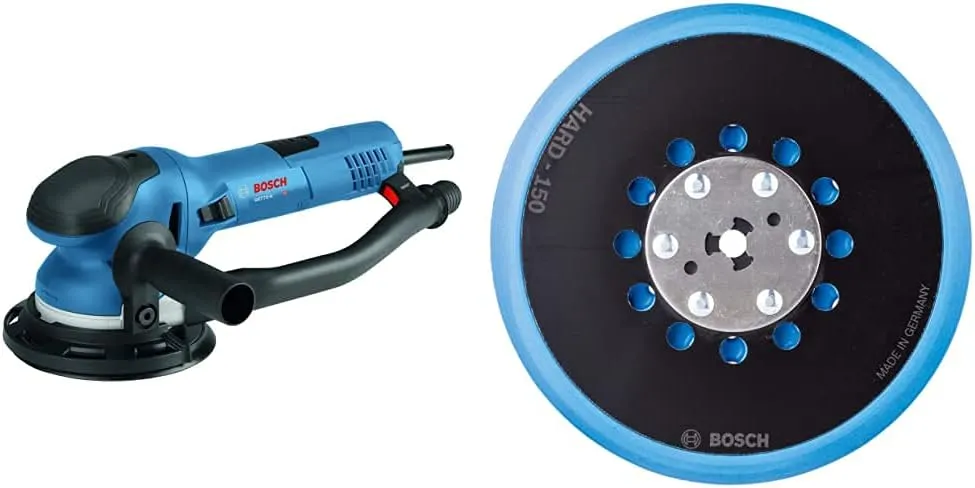
🥇 1 | Heavy-duty sanding and professional finishing | Dual-mode operation, powerful 7.5-amp motor, variable speed, excellent dust extraction | ||
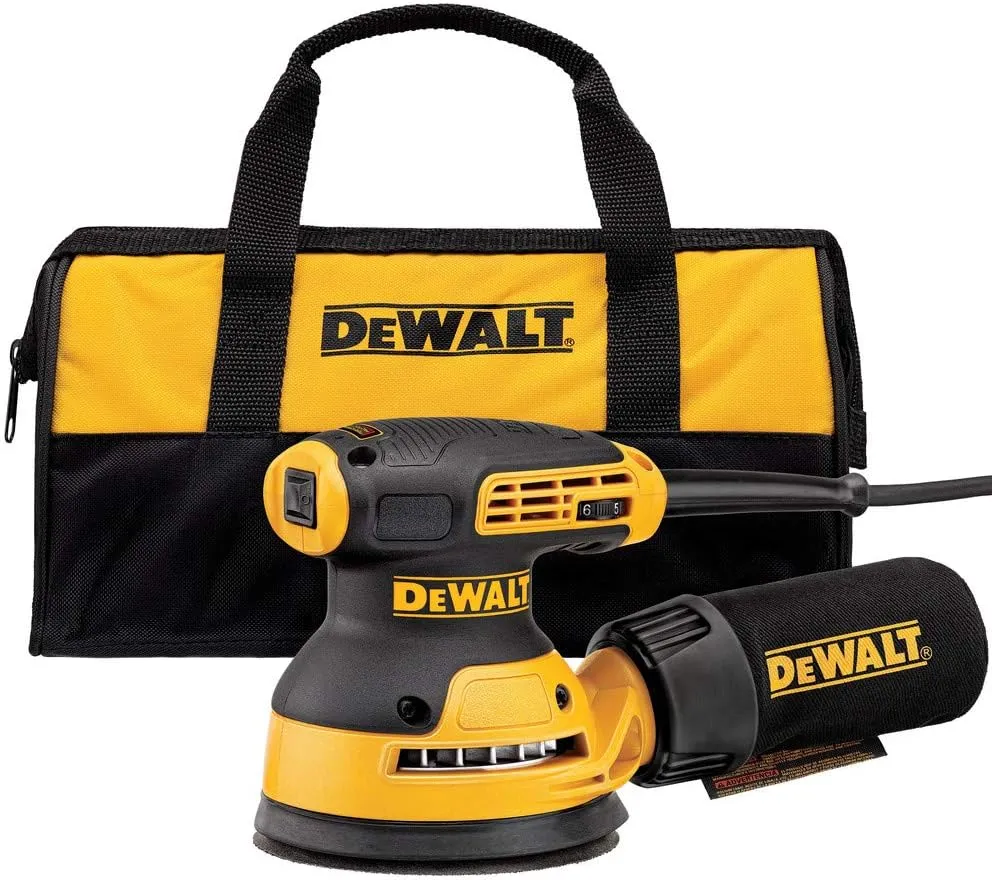
🥈 2 | Overall best for most users | Excellent balance of power, comfort, low vibration, and dust collection | ||
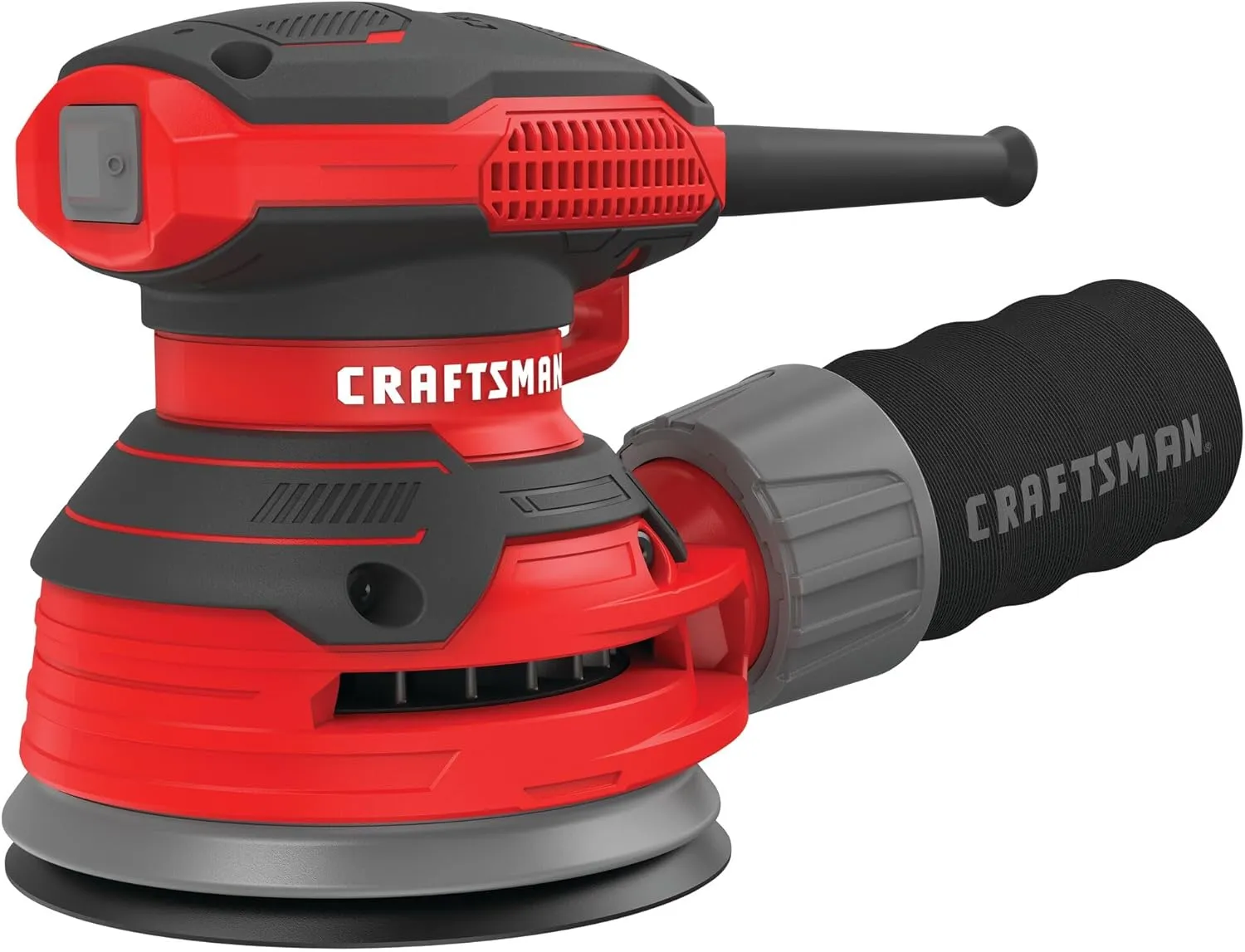
🥉 3 | Best value | Reliable 3-amp motor, 12,000 OPM, good warranty, and solid performance for DIY and workshop use |
Comparison Table
Product | Price | Motor / Power | Orbit Speed | Best For |
3.0 Amp | 8,000–12,000 OPM | Overall performance, woodworking, furniture refinishing | ||
18V Cordless | Variable Speed | Cordless mobility and jobsite convenience | ||
3.0 Amp | 12,000 OPM | DIY projects and general-purpose sanding | ||
7.5 Amp | 3,300–7,300 OPM | Heavy stock removal and professional finishing | ||
2.8 Amp | 13,000 OPM | Home improvement projects and tight spaces | ||
1.2 Amp | 14,000 OPM | Detail sanding, corners, and intricate work | ||
1 Amp | 13,500 OPM | Light-duty sanding, crafts, and small furniture |
Why Choosing the Right Orbital Sander Matters
An orbital sander is not just a spinning pad with sandpaper attached. The motor strength, orbit speed, pad diameter, weight balance, and vibration control all influence how quickly you remove material and how clean the final finish looks. A machine with too much aggression can leave visible marks or remove more material than intended. A machine with too little power may feel slow, clog easily, or bog down on tougher surfaces.
For finish work, consistency matters more than raw speed. A well-designed orbital sander should move smoothly across the surface without digging in, while also keeping dust away from the abrasive. Dust extraction is especially important because debris trapped under the pad can create scratches, reduce sanding efficiency, and shorten the life of the sandpaper. That is why models with good dust ports, sealed switches, and multi-hole pad designs often perform better over time.
Ergonomics also matter. Sanding is repetitive, and vibration can quickly lead to fatigue, especially during long projects. A sander with counterweights, rubber over-mold grip areas, and a lower vibration profile is easier to control and less tiring to use. In practical terms, the right tool saves time, reduces rework, and helps deliver a smoother, more professional result.
Overview
The DEWALT DWE6423K is one of the most well-balanced random orbital sanders available for both DIY enthusiasts and professional woodworkers. Designed with a powerful 3.0-amp motor and a variable speed range of 8,000 to 12,000 orbits per minute (OPM), it delivers consistent performance across a wide variety of sanding applications. Whether you're removing old paint, smoothing hardwood surfaces, preparing furniture for finishing, or sanding between coats of polyurethane, this tool provides the control and precision needed to achieve a flawless finish. Its compact body design also places the user's hand closer to the work surface, improving control and reducing the likelihood of uneven sanding.
Beyond its performance, the DWE6423K is engineered with user comfort and durability in mind. The separate counterweight system significantly minimizes vibration, allowing for longer sanding sessions with less fatigue. Its dust-sealed switch protects internal components from fine wood dust, extending the life of the tool, while the one-handed locking dust bag and compatibility with DEWALT dust extractors help maintain a cleaner workspace. Altogether, these features make the DWE6423K an excellent investment for anyone looking for a dependable orbital sander that consistently produces professional-quality results.
Key Specifications
3.0-amp motor
8,000–12,000 OPM
5-inch pad
Separate counterweight design to reduce vibration
Dust-sealed switch
One-handed locking dust bag
Compatible with DEWALT dust collection systems
Real-World Benefits
In real use, this sander stands out because of its balance. The vibration reduction helps maintain control on broad flat surfaces like tabletops, cabinet panels, and doors. The dust bag and vacuum compatibility also improve visibility while working, which matters when you need to track the sanding pattern and avoid overworking one section. For users who sand often, the dust-sealed switch is a practical durability feature because fine dust is one of the main causes of switch failure.
Pros
Very good balance of power and control
Reduced vibration improves comfort
Strong dust collection options
Suitable for both DIY and light professional use
Cons
Corded design limits mobility
Not the most aggressive option for heavy stock removal
Best For
Users who want a reliable, comfortable, everyday orbital sander for finishing, refinishing, and general surface preparation.
Overview
The Milwaukee M18 Random Orbit Sander is designed for professionals and serious DIY users who value cordless freedom without sacrificing sanding performance. Powered by Milwaukee's proven M18 battery platform, this sander eliminates the inconvenience of extension cords while providing the mobility needed for job sites, outdoor projects, and locations where electrical outlets may not be readily available. Its random orbital motion helps create smooth, swirl-free finishes on wood, painted surfaces, and other materials, making it suitable for everything from cabinet refinishing to finish carpentry.
One of the biggest strengths of this model is its portability and integration into Milwaukee's extensive M18 cordless ecosystem. Users who already own M18 batteries can easily expand their tool collection without investing in another battery platform. The lightweight construction, ergonomic grip, and compact footprint make it comfortable for extended use, while cordless operation allows users to move freely around large workpieces. For contractors, remodelers, and homeowners seeking convenience and flexibility, the Milwaukee M18 Random Orbit Sander is an excellent cordless solution.
Key Specifications
M18 battery-powered design
18V platform
Random orbit sanding action
Compact dimensions listed in the file
Cordless portability
Real-World Benefits
The biggest advantage here is freedom of movement. A cordless sander is especially useful when working on stairs, exterior trim, on-site repairs, or any location where power cords would be inconvenient or unsafe. It also reduces setup time because you do not need to manage extension cables or search for nearby outlets. For professionals who already use Milwaukee M18 batteries, this becomes even more attractive because the tool can share the same battery ecosystem.
Pros
Cordless mobility
Easy to transport and deploy
Good for site work and quick tasks
Convenient for users already in the Milwaukee ecosystem
Cons
Battery life depends on usage and battery capacity
Not ideal for very long continuous sanding jobs without spare batteries
Best For
Users who prioritize portability, quick setup, and cordless convenience.
Overview
The CRAFTSMAN CMEW231 is an affordable yet capable orbital sander designed to deliver reliable performance for everyday woodworking and home improvement projects. Featuring a 3.0-amp motor capable of producing up to 12,000 OPM, it provides sufficient power to smooth rough lumber, remove old finishes, prepare surfaces for painting, and sand between coats of stain or varnish. Its straightforward design makes it particularly appealing to beginners and homeowners who need dependable sanding performance without paying premium prices.
Despite its budget-friendly price point, the CMEW231 includes several practical features commonly found on more expensive models. The integrated dust collection system helps maintain a cleaner work area while improving sanding efficiency, and the dust-sealed switch protects internal electronics from harmful debris. Backed by CRAFTSMAN's three-year limited warranty, this sander offers peace of mind alongside dependable performance, making it one of the best value-for-money options for general-purpose sanding tasks.
Key Specifications
3.0-amp motor
12,000 OPM
5-inch pad
On-board dust bag
Connection for 1-3/4-inch vacuum hose
Dust-sealed switch
3-year limited warranty
Real-World Benefits
For typical home improvement and workshop tasks, this sander offers a strong mix of speed and accessibility. The 12,000 OPM rate is useful for smoothing painted wood, preparing surfaces for refinishing, and sanding between coats. The dust collection setup helps keep the work area cleaner, which improves both visibility and finish quality. The warranty also adds confidence for users who want a lower-risk purchase.
Pros
Good value for the performance level
Useful dust management features
Strong warranty support
Straightforward and easy to use
Cons
Less refined than premium options
Corded operation limits range
Best For
DIY users and general workshop work where balanced performance matters more than premium features.
Overview
The BOSCH GET75-6N stands out as the most powerful and technically advanced orbital sander in this comparison. Equipped with a robust 7.5-amp motor and Bosch's innovative dual-mode system, it allows users to switch between standard random orbit sanding for fine finishing and Turbo Mode for aggressive stock removal. This versatility enables the tool to tackle a wide range of applications, from stripping old finishes and leveling uneven surfaces to producing exceptionally smooth finishes ready for staining or painting. Its variable speed control further enhances precision by allowing users to match sanding speed to the material and task.
Professional users will especially appreciate the engineering behind this machine. The multi-hole sanding pad maximizes dust extraction, helping keep abrasive discs cleaner while reducing airborne dust. Heavy-duty internal components, including a fiberglass-reinforced backing plate and precision aluminum drive plate, ensure durability under demanding workloads. Although it commands a premium price, the GET75-6N offers exceptional productivity, versatility, and finish quality that justify the investment for professionals and serious woodworking enthusiasts.
Key Specifications
7.5-amp motor
Variable speed
290–640 RPM no-load speed
3,300–7,300 OPM orbit speed
6-inch disc size
Dual sanding modes: random orbit and turbo mode
Multi-hole sanding disc design
Fiberglass-reinforced backing plate
Precision aluminum drive plate
Real-World Benefits
This model is ideal when you need to move quickly through rough sanding stages without sacrificing finish quality. Turbo mode is especially useful for renovation work, varnish removal, and aggressive leveling tasks. The multi-hole pad design improves dust extraction, which helps keep abrasives cleaner and surface scratches under control. Because it has variable speed, you can adapt the tool to the material and stage of the job more precisely than with fixed-speed models.
Pros
Extremely versatile
Powerful motor for demanding jobs
Excellent for both rough and fine sanding
Professional-grade build quality
Cons
Higher price than most others in the list
May be more tool than casual users need
Best For
Professional users, heavy renovation work, and anyone who wants one tool for both aggressive sanding and fine finishing.
Overview
The SKIL SR211601 is designed to offer an excellent balance between affordability, comfort, and everyday performance. Powered by a 2.8-amp motor capable of producing up to 13,000 OPM, it delivers smooth and efficient sanding across a variety of woodworking, furniture restoration, and home renovation projects. Its compact design allows users to maintain excellent control, especially when working on smaller surfaces or in confined spaces where larger sanders can become difficult to maneuver.
A standout feature of this model is SKIL's Cyclonic Dust Collection System, which efficiently captures sanding debris in a transparent container that is quick and easy to empty. Combined with the ergonomic rubber over-mold grip and counterbalanced design that reduces vibration, the SR211601 allows users to work comfortably during longer sanding sessions. Whether you're restoring furniture, refinishing cabinets, or preparing surfaces for painting, this sander provides dependable performance without stretching your budget.
Key Specifications
2.8-amp motor
13,000 OPM
5-inch pad
Cyclonic dust collection box
Variable speed control
Ergonomic design with soft rubber grip
Compact body for tight spaces
Real-World Benefits
The SKIL model is especially good for users who want a lightweight machine that feels easy to maneuver. Its compact size helps when sanding near edges, corners, and awkward spots where larger tools feel bulky. The cyclonic dust system is practical because it keeps debris visible and easier to empty. For users sanding smaller furniture or working in a home shop, this is a comfortable and efficient choice.
Pros
Lightweight and easy to control
Good dust collection design
Suitable for tight areas
Comfortable for longer sessions
Cons
Less powerful than premium models
Better for light to medium-duty work than heavy sanding
Best For
Users who want a compact, user-friendly sander for routine finishing and smaller projects.
Overview
Unlike traditional random orbital sanders, the BLACK+DECKER MOUSE is specifically engineered for detail sanding applications where precision is more important than large-area coverage. Its compact triangular sanding pad easily reaches corners, narrow edges, intricate moldings, window frames, stair railings, and other difficult-to-access locations that larger orbital sanders simply cannot reach. Powered by a 1.2-amp motor producing 14,000 OPM, it quickly removes paint, smooths wood, and prepares surfaces for finishing while maintaining excellent control.
The included detail finger attachment further expands the tool's versatility by allowing users to sand inside tight grooves and narrow recesses. A comfortable grip, integrated dust collection canister, and dust-sealed switch enhance usability while extending tool life. Although it isn't intended for sanding large tabletops or floors, it excels at finishing detailed woodworking projects, furniture restoration, cabinetry, and trim work where precision and accessibility are essential.
Key Specifications
1.2-amp motor
14,000 OPM
Compact detail sander design
Dust collection canister
Dust-sealed switch
Detail finger attachment included
Comfort grip
Real-World Benefits
This tool is not meant to replace a full-size orbital sander. Instead, it solves the problem of reaching tight corners, narrow trim areas, and intricate profiles. That makes it very useful when restoring furniture, refinishing cabinet edges, or sanding inside spaces that larger pads cannot reach. Its ability to run corded also makes it suitable for long detail jobs where battery management would be annoying.
Pros
Excellent for corners and tight spaces
High orbit speed for a compact tool
Comfortable grip
Useful dust collection for small work areas
Cons
Not suitable for large surfaces
Lower power than full-size sanders
Best For
Detail sanding, trim work, furniture restoration, and precision finish preparation.
Overview
The WEN 6301 is a lightweight palm sander designed for users who need a simple, affordable solution for light-duty sanding and surface preparation. Featuring a compact 3.75 x 5.5-inch sanding pad and a one-amp motor delivering 13,500 OPM, it performs exceptionally well on furniture restoration, cabinet doors, shelving, trim work, and other small woodworking projects. Weighing only about two pounds, it is easy to maneuver and minimizes user fatigue during prolonged sanding sessions.
Its lightweight design makes it especially suitable for hobbyists, DIY users, and anyone working on smaller projects where precision is more important than aggressive material removal. The integrated dust collection port helps keep the work area cleaner while improving sanding efficiency, and the included assortment of sanding sheets allows users to begin working immediately without purchasing additional accessories. For occasional woodworking, craft projects, and household repairs, the WEN 6301 provides impressive value at an entry-level price point.
Key Specifications
1-amp motor
13,500 OPM
3.75 x 5.5 inch pad
Dust collection port
Lightweight two-pound body
Includes sandpaper pack in the file
Real-World Benefits
This is a good choice for light resurfacing, palm sanding, and projects where fine control matters more than removal speed. The lighter body reduces fatigue, which is helpful when sanding shelves, narrow boards, or furniture parts. The included sandpaper pack also adds value because it lets you begin working immediately with multiple grit options.
Pros
Lightweight and easy to carry
Good for smaller surfaces
Included sandpaper improves value
Simple, straightforward design
Cons
Limited power for larger jobs
Not ideal for aggressive sanding
Best For
Light-duty sanding, craft work, small furniture, and general surface preparation.
Frequently Asked Questions
What is the difference between a random orbital sander and a detail sander?
A random orbital sander is designed for flat or broad surfaces and produces a smoother finish with reduced visible scratch patterns. A detail sander has a pointed or compact pad that can reach corners, edges, and tight spaces.
What OPM should I look for in an orbital sander?
For general use, 10,000 to 13,000 OPM is a practical range. Higher OPM can help with faster surface refinement, but dust control, vibration, and pad quality matter just as much.
Is a higher amp motor always better?
Not always. A stronger motor usually gives more power, but the best sander depends on balance, vibration, and the type of work you do. A 7.5-amp tool is excellent for heavy work, while a 3-amp tool may be better for everyday finishing.
Why does dust collection matter so much?
Good dust collection keeps the surface cleaner, improves visibility, reduces clogging, and helps the sandpaper last longer. It also improves safety and cleanup time.
Should I choose corded or cordless?
Choose corded if you need uninterrupted runtime and steady performance. Choose cordless if mobility, portability, and quick setup are more important.
What is the best orbital sander for beginners?
A balanced corded model like the DEWALT DWE6423K or CRAFTSMAN CMEW231 is a strong starting point because they are simple, effective, and not overly specialized.
Conclusion
The best orbital sander depends on the kind of work you do most often. If you need a premium, highly capable machine for demanding sanding and polishing tasks, the BOSCH GET75-6N is the strongest performer in this list. If you want a balanced all-rounder with excellent comfort and dust control, the DEWALT DWE6423K is a very smart choice. For budget-conscious users, the CRAFTSMAN CMEW231, SKIL SR211601, and WEN 6301 offer practical performance for light to medium-duty tasks.
For tight spaces and finishing details, the BLACK+DECKER MOUSE is the right specialist tool. And if portability matters most, the Milwaukee M18 gives you cordless flexibility that can be valuable on site or in busy workspaces. The best decision is not simply about price; it is about matching the motor power, orbit speed, pad size, and ergonomics to your actual sanding needs.
If you choose the right tool, you will spend less time correcting mistakes, less effort fighting vibration, and more time producing a clean, professional finish.

