⚡ Solar Generator vs Inverter — Full Comparison (2026)

Updated: Apr 13
We believe in recommending tools and materials we’d use ourselves. Our recommendations are based on independent research and real-world testing. While we may receive commissions for purchases made through our links, our opinions remain our own — un-compromised and expert-led.
Author: Eng. Evans Nusu
Evans is a project & cost management consultant in the AEC (Architecture, Engineering & Construction) sector, focused on practical procurement decisions and total cost of ownership (TCO). He reviews tools and jobsite gear through an engineering lens—prioritizing measurable specs, compliance, durability, and lifecycle value over hype.
What's the difference between a solar generator and an inverter?
Here's a Quick Answer:
A solar generator is an all-in-one plug-and-play system (battery + inverter + charge controller). | An inverter system is modular—you build it with separate batteries, panels, and components. |
Best for most people: Solar generators (easy, portable, no setup) | Best for power users: Inverter systems (scalable, cheaper long-term) |
Recommended Use cases
Use Case | Best Option |
Apartment backup | Solar Generator |
Camping / portable use | Solar Generator |
Full home backup | Inverter System |
Off-grid living | Inverter System |
Beginners | Solar Generator |
Long-term investment | Inverter System |
🔋 What Is a Solar Generator?
Editor Picks: At a glance
Best Overall | Best Value | Best for Home Backup |
 EcoFlow DELTA series |  Jackery Explorer series |  Bluetti AC/EP series |
A solar generator is a self-contained power station that includes:
Battery (usually lithium)
Built-in inverter
Charge controller
Multiple output ports (AC, USB, DC)
👉 You just:
Charge it (solar panels or wall)
Plug in your devices
Use it instantly
Best for:
Apartments
Backup during blackouts
Camping / mobility
Beginners
⚙️ What Is an Inverter System?
Editor Picks: At a glance
Best Overall | Best Value | Best Budget |
 ECOFLOW 12kWh Power Station | 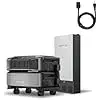 DELTA Pro Ultra with Smart Home Panel | 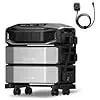 Delta Pro Ultra X |
An inverter system is a custom-built setup:
Inverter (converts DC → AC)
External battery bank
Solar panels
Charge controller
👉 You design the system based on your power needs.
Best for:
Full home backup
Off-grid systems
High power demand
Long-term installations
⚖️ Solar Generator vs Inverter (Side-by-Side)
Feature | Solar Generator | Inverter System |
Setup | Plug & play ✅ | Complex ❌ |
Portability | High ✅ | None ❌ |
Power Capacity | Limited ⚠️ | Scalable ✅ |
Price (initial) | Higher 💰 | Flexible |
Long-term cost | Higher ⚠️ | Cheaper ✅ |
Maintenance | Low ✅ | Medium |
Expandability | Limited ❌ | Unlimited ✅ |
💰 Cost Comparison (Real Talk)
Solar Generator | Inverter System |
$500 – $5,000+ | $800 – $10,000+ |
Everything included | Installation + components |
No installation cost | But cheaper per watt long-term |
convenience products | investment systems |
🔥 When You Should Choose a Solar Generator
Choose a solar generator if:
You want zero installation
You live in an apartment
You need portable backup power
You want a quick solution for outages
👉 Perfect for:
Laptops
TVs
Small fridges
Phones
🏠 When You Should Choose an Inverter System
Choose an inverter system if:
You want to power your entire house
You need scalability
You’re going off-grid
You’re thinking long-term savings
👉 Perfect for:
Homes
Workshops
Businesses
⚡ Performance Differences (What Matters Most)
🔋 Power Output
Solar generator: ~300W – 3000W
Inverter system: 1000W – 10,000W+
👉 Inverter systems win for heavy loads
🔌 Runtime
Solar generator: Limited by battery size
Inverter system: Expandable battery bank
👉 Inverter systems win long-term
🧠 Ease of Use
Solar generator: Extremely simple
Inverter system: Requires setup + knowledge
👉 Solar generators win for beginners
🚨 Common Mistake People Make
❌ Buying a solar generator expecting to run a full house
❌ Underestimating inverter system complexity
👉 Always match the system to your actual power needs
🏆 Final Verdict
👉 Choose a Solar Generator if:
You want convenience
You need portable or emergency power
👉 Choose an Inverter System if:
You want full home backup
You’re serious about long-term power independence
Check out our other article in the series:

