Best Impact Drivers 2026: 7 High-Performance Picks for Torque, Control, and Tight-Space Work
- Stacy Mawia
- Jul 31
- 13 min read

We believe in recommending tools and materials we’d use ourselves. Our recommendations are based on independent research and real-world testing. While we may receive commissions for purchases made through our links, our opinions remain our own un-compromised and expert-led.
Author: Stacy Mawia is a Project Planning and Management professional passionate about delivering well-planned, efficient, and cost-effective construction projects. With academic training in Project Planning and Management and practical experience in the construction industry, she supports project coordination, planning, scheduling, and resource management to help ensure successful project delivery. Drawing on her knowledge of project management principles and hands-on exposure to construction operations, she provides practical, research-driven insights that help clients and stakeholders make informed decisions. Her goal is to improve project efficiency, enhance quality, minimize risks, and contribute to sustainable and successful construction outcomes.
Introduction
If you spend any serious time fastening screws, driving lag bolts, or working in cramped framing bays, the impact driver you choose can either speed up the job or slow it down. The right model is not just about raw torque. It is about how quickly the tool drives fasteners, how well it handles tight angles, how much control you have on delicate surfaces, and whether the battery platform matches the rest of your tools. That is why a compact 12V driver, a mid-range 18V/20V brushless model, and a premium high-torque kit can all be “best” depending on the work you do. The products in this guide are drawn directly from the uploaded sheet and cover that full range.
This article is designed to help you choose based on task fit, not hype. I focus on torque, head length, speed control, battery efficiency, kit completeness, and practical worksite behavior such as reduced fatigue, visibility in dim areas, and one-handed bit changes. The file also shows a clear price ladder, starting with the SKIL 12V Brushless Compact Impact Driver Kit at $59.98 and extending to premium kits like the DEWALT ATOMIC 20V MAX at $179.99 and the Makita XDT131 at $179.00.
Editor’s picks
Rank | Product | Why it stands out | Price |
1 | Best all-around mix of compact size, torque, control, and lighting | ||
2 | Best premium torque-and-speed option for demanding fastening work | ||
3 | Best budget brushless kit with serious value and modern features |
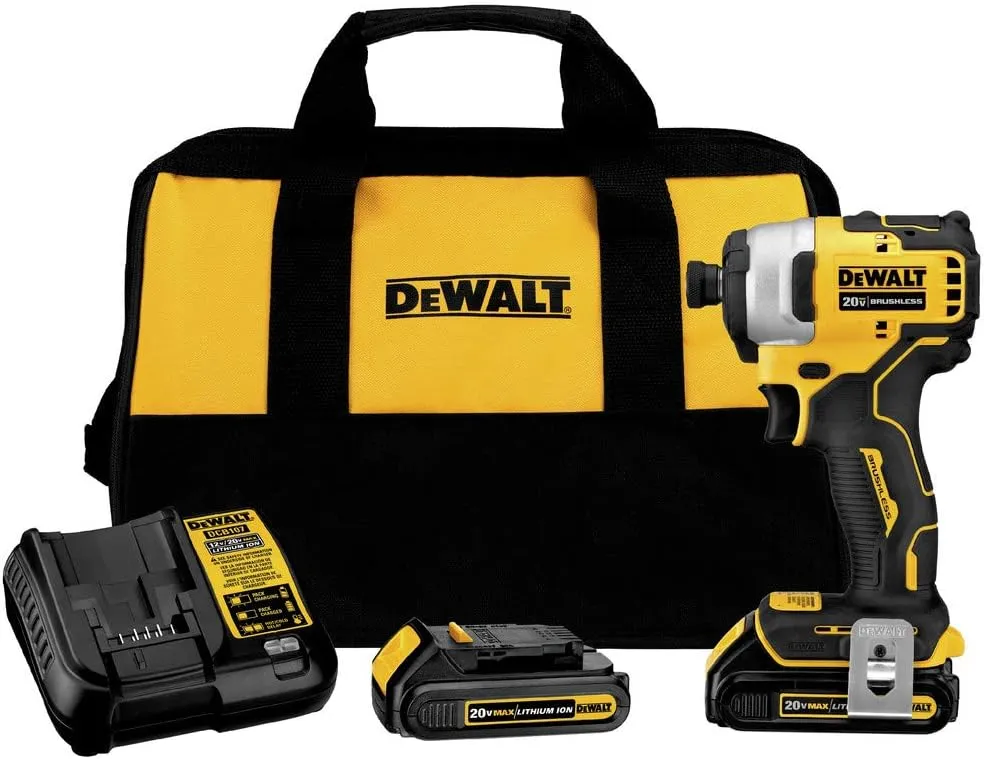
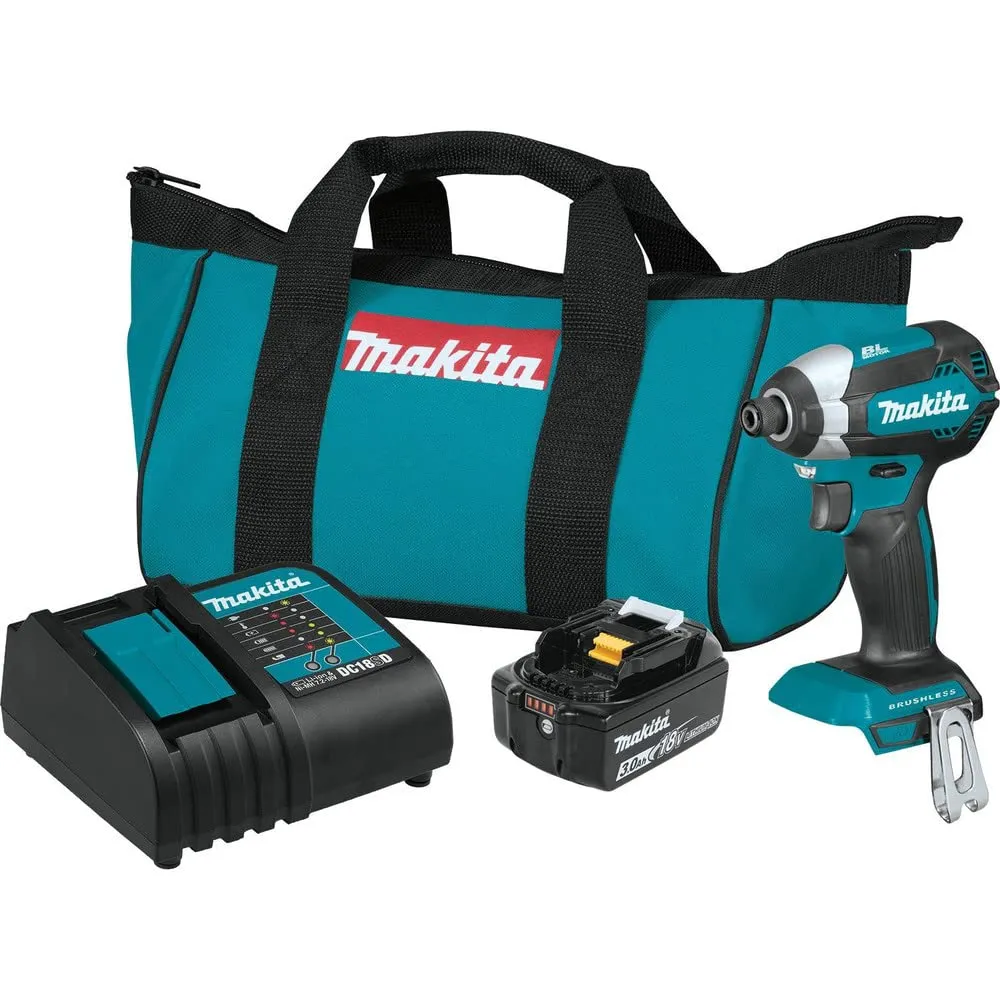
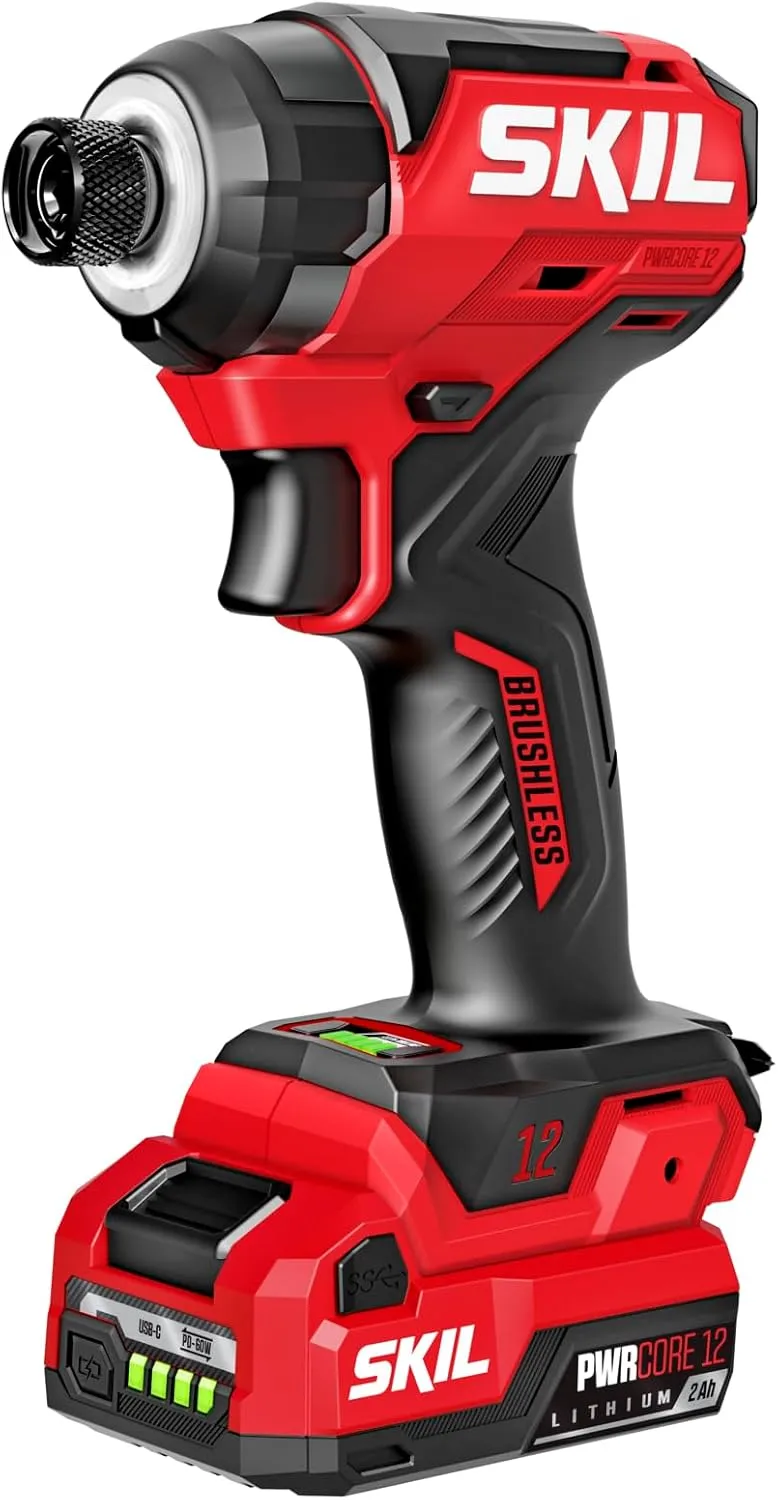
The DEWALT stands out for its 5.1-inch length, 1700 in-lbs torque, brushless efficiency, and bright triple-LED setup, which makes it a practical choice when you need a compact driver that still feels serious on the jobsite. The Makita brings 1,500 in-lbs of torque, 0–3,400 RPM, and 0–3,600 IPM, making it a strong premium fastening option. The SKIL is the value leader: it is compact, brushless, includes a battery and charger, and still delivers up to 1,500 in-lbs of torque at a very low price point.
Comparison table
Product | Price | Torque | Size / class | Best for |
1,500 in-lbs | 18V premium brushless | Heavy fastening, fast driving | ||
1,300 in-lbs | 12V bare tool | Pros who already own M12 batteries | ||
1,400 in-lbs | 20V kit | General-purpose home and trade use | ||
1,700 in-lbs | 20V compact kit | Tight spaces, control, everyday jobsite use | ||
930 in-lbs | Ultra-compact 12V | Small fasteners, overhead and tight work | ||
1,500 in-lbs | Compact 12V kit | Budget buyers, DIY, light-to-medium fastening | ||
Not specified in sheet | Compact V20 kit | Budget-friendly compact fastening |
The important pattern here is that the most expensive tool is not automatically the best tool. Torque matters, but so do head length, weight, drive control, included accessories, and battery ecosystem. A compact 12V tool like the Bosch can be the smartest choice for tight cabinetry or overhead work, while a stronger 20V class tool like the DEWALT or Makita is better when you regularly drive larger fasteners or work longer sessions.
Why choosing the right impact driver matters
An impact driver works by combining rotational force with rapid hammering impacts. That means two tools can both “feel powerful,” but one may be better at control while the other is better at brute fastening speed. When you compare models, torque tells you how much twisting force the tool can apply, RPM tells you how fast the bit can spin, and IPM or BPM tells you how aggressively the internal hammer mechanism delivers impacts. Higher numbers are not always better in isolation; what matters is whether those numbers match the material, fastener size, and work environment. The Makita’s 0–3,400 RPM and 0–3,600 IPM are a good example of a tool aimed at fast, efficient fastening, while the Bosch’s 5.4-inch head length and 930 in-lbs torque show a design optimized more for reach and maneuverability.
Battery platform also matters. If you already own batteries from a specific brand, a bare tool like the Milwaukee M12 Fuel can be more cost-effective than buying a new ecosystem from scratch. On the other hand, a kit version like the SKIL or DEWALT may deliver better value for a buyer who needs everything in one box. Features such as brushless motors, variable speed triggers, LED lighting, and compact head designs are not marketing fluff; they affect runtime, heat management, visibility, fatigue, and how much precision you keep when fastening into soft material or working near finished surfaces. The file specifically highlights brushless motors across multiple models, plus compactness and control features such as the DEWALT’s variable-speed trigger and 3 LEDs, the Bosch’s spring-loaded impact mechanism, and the SKIL’s 3-speed selection and Halo Light.
Overview
The Makita XDT131 is positioned as a premium brushless impact driver kit that balances speed, torque, and motor efficiency. According to the sheet, it delivers 1,500 in-lbs of max torque, uses a BL Brushless Motor, and offers 0–3,400 RPM plus 0–3,600 IPM. That combination makes it a strong candidate for users who need a fast and durable fastening tool for repeated use. The brushless design is especially important because it reduces internal friction, which helps the motor run cooler and more efficiently over time.
For real jobsite use, the Makita’s value is in its balance. It is not merely a torque monster; it is designed to stay efficient under load, which matters when you are driving a long run of screws or moving across a mixed fastening workload. If you want a tool that feels premium, stays consistent, and gives you strong fastening speed without jumping straight to an oversized hammering setup, this is one of the most compelling options in the list.
Key specifications
Torque: 1,500 in-lbs
Speed: 0–3,400 RPM
Impact rate: 0–3,600 IPM
Motor: BL Brushless
Kit: 3.0Ah battery kit
Price: $179.00
Real-world benefits
Drives fasteners quickly without feeling overbearing.
Brushless design should support cooler running and improved motor life.
The speed range makes it suitable for mixed fastening tasks rather than only heavy-duty work.
Pros
Strong torque for a broad range of fastening jobs.
High RPM and IPM for fast work.
Brushless motor improves efficiency and durability.
Cons
Higher price than budget-focused models.
Not the most compact option in the list.
Overkill for users who only need light-duty fastening.
Best forProfessional users, serious DIYers, and anyone who wants a premium all-round impact driver with speed, torque, and a proven 18V platform.
Overview
The Milwaukee M12 Fuel is a strong choice for users who already live inside the Milwaukee M12 battery ecosystem. The sheet lists a POWERSTATE brushless motor, 1,300 in-lbs of fastening torque, REDLINK PLUS intelligence, REDLITHIUM batteries, and 4-mode drive control. That mix tells you the tool is not just about raw power; it is also about protecting the tool and battery while giving the operator more control over output. Since this is the bare tool, it is especially attractive to existing M12 owners who want to add capability without paying again for batteries and charger hardware.
In practical terms, the Milwaukee makes sense for controlled fastening where you want a refined driver rather than a brute-force layout. The 4-mode control is useful because it helps you reduce the chance of overdriving screws or damaging softer material. This model is a clean fit for tradespeople who want compact cordless performance and already have a compatible battery pack.
Key specifications
Torque: 1,300 in-lbs
Motor: POWERSTATE brushless
Control: 4-mode drive control
Battery system: M12
Type: Bare tool
Price: $146.80
Real-world benefits
Good torque for a compact 12V-class platform.
Drive modes improve control over delicate fastening.
Bare-tool format can lower cost for existing Milwaukee users.
Pros
Strong torque for its class.
Intelligent battery/tool protection.
Flexible control with multiple drive modes.
Cons
Bare tool means extra cost if you do not already own batteries.
Less attractive as a first-time purchase than a complete kit.
Not the most budget-friendly option in absolute dollars.
Best forExisting Milwaukee M12 users, pros who want control, and buyers who prefer a compact driver with intelligent protection features.
3) PORTER-CABLE 20V MAX Impact Driver, 1/4 Inch, 2,700 RPM, Battery and Charger Included (PCCK647LB)
Overview
The PORTER-CABLE model sits in a practical middle ground. The file describes a brushless motor with 50% more runtime than brushed motors, 1,400 in-lbs of max torque, up to 2,700 RPM, and a 1/4 in. quick-change hex for one-handed bit swaps. It is a kit, not a bare tool, so the package is meant to be ready to use out of the box. That makes it appealing for users who want straightforward utility rather than a highly specialized premium build.
The real value of this model is that it combines respectable torque with a faster spin speed and easier workflow. Quick-change bit systems are underrated because they save time every time you move between pilot holes, drivers, and different fastener sizes. If you need a reliable general-purpose impact driver for home improvement, light renovation, or occasional trade work, the PORTER-CABLE is a logical and practical option.
Key specifications
Torque: 1,400 in-lbs
Speed: up to 2,700 RPM
Motor: brushless
Bit system: 1/4 in. quick-change hex
Kit: battery and charger included
Price: $159.99
Real-world benefits
Faster bit changes reduce downtime.
Brushless motor should improve runtime versus brushed tools.
Strong enough for demanding general fastening jobs.
Pros
Good torque-to-price balance.
Includes battery and charger.
One-handed bit changes improve convenience.
Cons
Less compact and refined than top-tier premium options.
Does not stand out as the smallest or lightest tool.
More expensive than some stronger value picks.
Best forUsers who want a straightforward complete kit for mixed home and jobsite fastening
work.
Overview
The DEWALT ATOMIC is one of the strongest all-around choices in the sheet because it combines compact size with serious torque. The file says the tool is only 5.1 inches in length, delivers 1700 in-lbs of torque, uses a brushless motor, includes 3 bright LEDs, and offers a variable speed trigger for precision. That is a very compelling combination for users who work in tight spaces but still need a driver that can handle a large share of everyday fastening tasks.
This model is especially attractive because compactness often comes at the expense of power, but DEWALT keeps the output high enough that it can be used for a majority of applications. The variable-speed trigger matters more than many buyers realize; it gives you much finer control when you are driving into finished surfaces, softer materials, or any situation where overdriving would be costly. Add in the lighting and the compact head, and you get a tool that looks engineered for practical work, not just brochure specs.
Key specifications
Torque: 1,700 in-lbs
Length: 5.1 inches
Motor: brushless
Lighting: 3 LEDs
Control: variable speed trigger
Kit: 2 batteries included
Price: $179.99
Real-world benefits
Excellent for tight cabinet, framing, and service work.
High torque means fewer stalls on tougher fasteners.
LED lighting helps in dark corners and under cabinets.
Pros
Very compact for the amount of torque it delivers.
Strong control and precision.
Dual-battery kit improves convenience.
Cons
One of the most expensive tools in the list.
Price may be hard to justify if you only do light-duty work.
Premium features may be unnecessary for casual users.
Best forAnyone who values compact size, control, and strong torque in one tool, especially installers and tradespeople working in restricted spaces.
Overview
The Bosch PS41-2A is the smallest-feeling workhorse in the list. The file calls it the most compact impact driver in its class, gives it a 5.4-inch head length, a lightweight form at just over two pounds, and a maximum torque of 930 in-lbs. It also mentions a hammer-and-anvil system, 3,100 BPM, and a spring-loaded impact mechanism to reduce user fatigue. These details make it clear that Bosch designed this model around maneuverability and comfort rather than top-end brute force.
That design focus is important. A compact driver like this can be the better tool for electrical work, cabinet installation, overhead fastening, and repetitive tasks where weight and reach matter more than maximum torque. The lower torque is not a drawback in those environments; it is simply a sign that the tool is optimized for control and portability rather than heavy lag-driving duty.
Key specifications
Torque: 930 in-lbs
Head length: 5.4 inches
Weight: just over 2 pounds
Impact rate: 3,100 BPM
Fatigue reduction: spring-loaded impact mechanism
Price: $129.00
Real-world benefits
Easy to use in narrow or awkward spaces.
Light enough for longer overhead sessions.
Lower fatigue is helpful when working repeatedly through the day.
Pros
Extremely practical compact form.
Light weight supports better handling.
Good choice for tight-space fastening.
Cons
Lower torque than the stronger 18V/20V models.
Not ideal for heavy fastening jobs.
Less appealing if you need one do-it-all driver.
Best forCabinet installers, service technicians, and users who prioritize compact size and reduced fatigue over maximum power.
Overview
The SKIL ID6744A-11 is the standout budget buy in this group. The sheet lists a 12V cordless impact driver kit with a 2.0Ah USB-C battery, 20W USB-C charger, a digital brushless motor, up to 1,500 in-lbs torque, Halo Light, and 3-speed selection. For a price of $59.98, that is an unusually strong feature set. The inclusion of USB-C charging also makes the kit feel modern and user-friendly.
From a practical perspective, this model is built for users who need a capable compact driver without spending premium money. The 3-speed selection is useful because the lower setting gives you precision on smaller fasteners while the higher setting can be used when you need maximum power. The Halo Light is another unexpectedly valuable feature because it reduces shadows and improves visibility across the workspace, which matters more than people often realize until they are working in a dim crawl space or under a cabinet.
Key specifications
Torque: up to 1,500 in-lbs
Motor: digital brushless
Battery: 12V 2.0Ah USB-C
Charger: 20W USB-C
Lighting: Halo Light
Control: 3-speed selection
Price: $59.98
Real-world benefits
Excellent value for money.
Modern charging setup is convenient.
Multiple speed modes help with precision and power control.
Pros
Lowest price in the list.
Strong torque for a compact budget tool.
Brushless motor and USB-C accessories add real value.
Cons
12V platform is not as robust for heavy-duty trade use.
Less premium feel than higher-priced competitors.
Battery capacity is modest at 2.0Ah.
Best forBudget-conscious buyers, DIY users, and anyone who wants a compact brushless driver with modern charging and strong value.
Overview
The CRAFTSMAN V20 model is a compact kit designed around size, speed, and runtime. The sheet says the tool head measures 5.02 inches in length, which makes it the shortest compact tool in the list by a narrow margin. It also claims up to 19% faster driving than RYOBI, up to 47% more runtime per charge, up to 294 3-inch deck screws per charge, and an onboard LED for visibility. That makes it a very attractive mid-budget compact option.
The standout here is not just compactness; it is the combination of compactness and runtime. A small tool that dies early is frustrating, but this one is described as being built to keep going strong. If your work involves assembly, installation, light framing, or repeated fastening where a compact footprint matters, this is a persuasive value proposition.
Key specifications
Head length: 5.02 inches
Runtime: up to 47% more per charge
Driving speed: up to 19% faster than RYOBI
Capacity: up to 294 3-inch deck screws per charge
Lighting: onboard LED
Compatibility: VERSATRACK
Price: $91.32
Real-world benefits
Very compact for work in narrow spaces.
Strong runtime claim supports longer sessions.
Onboard LED improves visibility during precision work.
Pros
Shortest head length in the sheet.
Good balance of runtime and compactness.
Reasonable price for the feature set.
Cons
The sheet does not specify torque, so power comparison is less direct.
Less clearly positioned than the Makita, DEWALT, or Milwaukee.
Better as a compact value pick than a heavy-duty choice.
Best forBuyers who want a compact kit with good runtime and a practical mid-range price.
Frequently asked questions
1) What matters most in an impact driver: torque or speed?Both matter. Torque affects how strongly the tool turns the fastener, while RPM and IPM/BPM affect how fast and aggressively it drives. A high-torque tool is not always better if it is bulky or hard to control.
2) Is brushless really better?In this sheet, most of the strongest picks are brushless. Brushless motors are repeatedly linked with better efficiency, cooler running, and longer runtime potential, which is why they dominate the premium and value picks here.
3) Should I buy 12V or 20V?Choose 12V when compactness, weight, and comfort matter most. Choose 20V or 18V when you want higher power and broader fastening capability. The Bosch and SKIL are better for compact use, while the DEWALT and Makita are stronger all-rounders.
4) Is a kit better than a bare tool?A kit is better if you need batteries and a charger. A bare tool is better if you already own the matching battery ecosystem. That is why the Milwaukee bare tool is best for existing M12 users, while the SKIL, DEWALT, Makita, PORTER-CABLE, Bosch, and CRAFTSMAN kits are easier for first-time buyers.
5) Which model is best for tight spaces?The DEWALT ATOMIC at 5.1 inches and the CRAFTSMAN at 5.02 inches are the most compact among the higher-output options, while the Bosch is explicitly positioned as the most compact in its class and is ideal for very tight work zones.
6) Which is the best budget pick?The SKIL 12V Brushless kit is the best budget pick because it combines a brushless motor, a battery, a charger, 1,500 in-lbs of torque, and a very low price of $59.98.
Conclusion
The right impact driver depends on the work, not just the brand. If you want the strongest premium all-rounder in a compact form, the DEWALT ATOMIC 20V MAX DCF809C2 is the most balanced choice in this sheet. If you want premium speed and torque from a brushless 18V platform, the Makita XDT131 is excellent. If budget matters most, the SKIL 12V Brushless is the clearest value pick by a wide margin.
For tight-space work, the Bosch PS41-2A and CRAFTSMAN V20 are especially appealing because compact size and low fatigue can matter more than maximum torque. For users already invested in a battery ecosystem, the Milwaukee M12 Fuel is a sensible bare-tool addition. That is the real lesson from the comparison: the best impact driver is the one that matches your workload, your battery platform, and the spaces you actually work in.

