Best Stud Finders of 2026: 7 Top Picks for Accuracy, Depth, and Ease of Use
- Sarah Uwase

- Jul 7
- 13 min read
We believe in recommending tools and materials we’d use ourselves. Our recommendations are based on independent research and real-world testing. While we may receive commissions for purchases made through our links, our opinions remain our own un-compromised and expert-led.
Author: Sarah Uwase is a Project and Cost Management Consultant who helps construction professionals and homeowners make informed decisions throughout the project lifecycle. Drawing on her background in Civil Engineering and Construction Management, she evaluates project strategies, materials, and costs to maximize long-term value and safety. By combining technical expertise with practical insight, she delivers research-driven recommendations that improve project quality and prevent costly mistakes.
Introduction
A good stud finder is one of the most underrated tools in a toolbox, yet it can make the difference between a clean, secure installation and a costly wall repair. Whether you are hanging a flat-screen TV, mounting cabinets, installing floating shelves, fixing drywall, or working around hidden plumbing and live AC wiring, the right stud finder gives you confidence before the drill ever touches the wall.
In simple terms, a stud finder helps locate structural framing members, metal fasteners, and in some advanced models, electrical wiring and pipes behind drywall, plaster, paneling, or similar wall surfaces. But not all stud finders work the same way. Some use strong magnets to detect screws and nails. Others use electronic sensors to measure density changes in the wall. Higher-end models can scan for multiple materials, show live detection on an LCD display, and help users find the center and edges of studs with far greater precision.
In this guide, we compare seven stud finders from your product list and break down where each one fits best. The comparison is based on the features, scan technology, and pricing in your sheet, so you can quickly match the right tool to your job and your budget.
Editor’s Picks
Rank | Product | Price | Best For | Why It Stands Out |
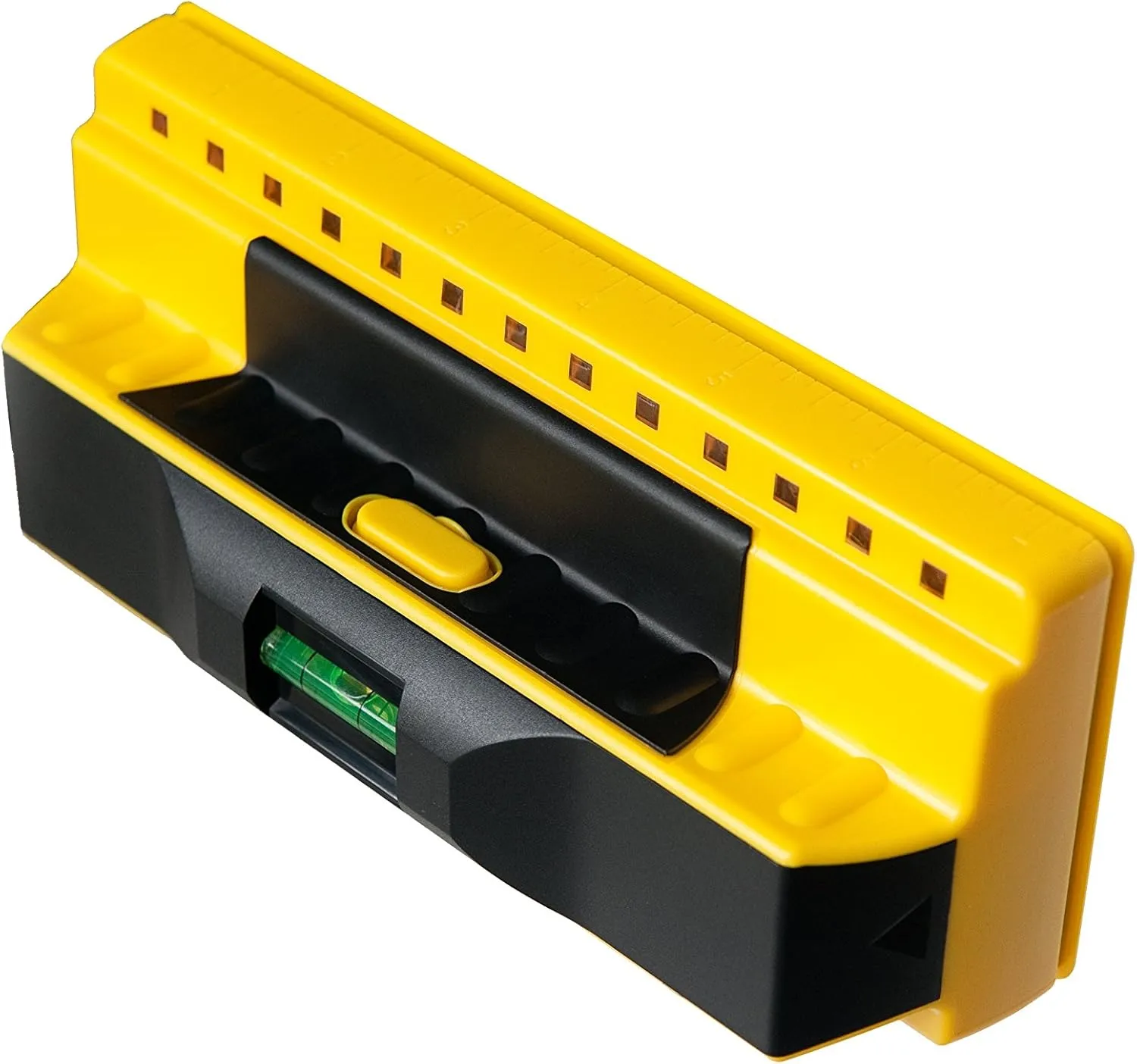
1 | Best overall accuracy | 13-sensor array, full-width stud display, deep scan | ||
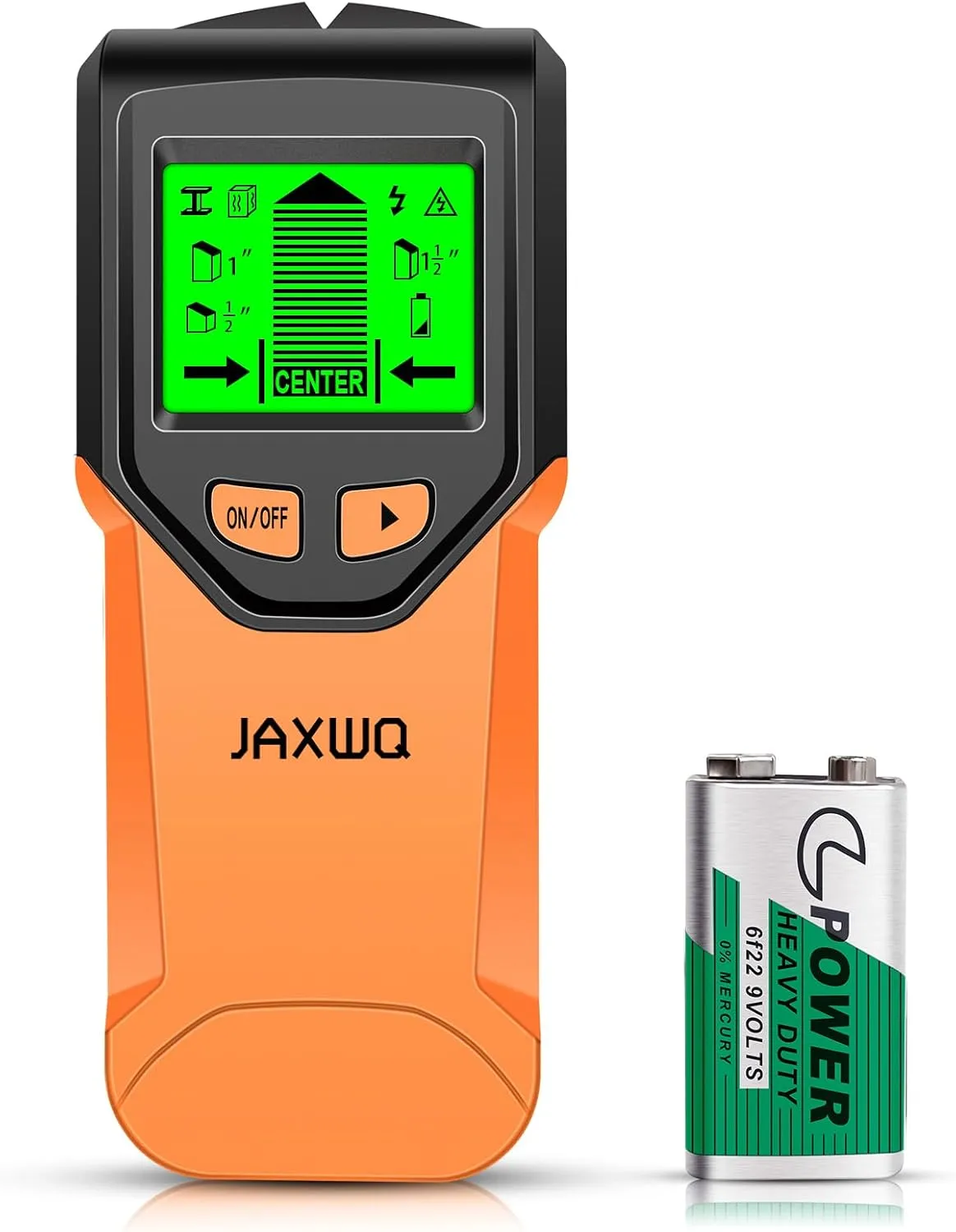
2 | Best electronic budget pick | Multi-mode scanning, live wire awareness, LCD feedback | ||
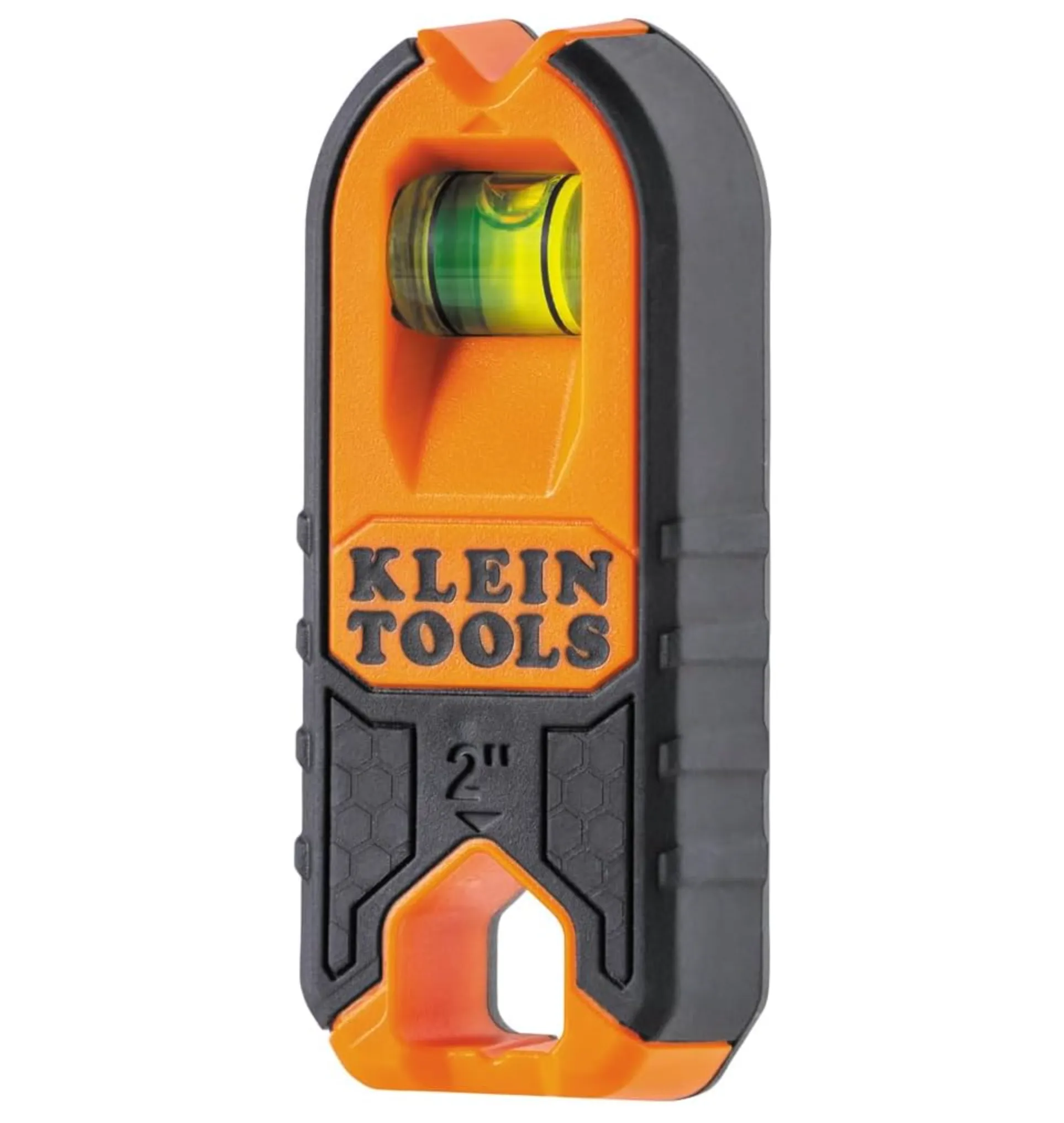
3 | Best portable magnetic option | Rare-earth magnet, bubble vial, no batteries |
Comparison Table
Product | Detection Type | Price | Key Strength | Best For |
Electronic / multi-mode | Stud, deep, and metal scan modes | DIY users who want features | ||
Magnetic | Simple locating, no batteries | Basic wall hanging jobs | ||
Magnetic | Leveling + locating in one tool | Quick marking and alignment | ||
Magnetic | Strong magnetic pull | Fast screw and nail detection | ||
Electronic multi-sensor | Full-width stud visualization | Precision work and pro use | ||
Electronic multi-sensor | Accurate depth response | Users who want accuracy and simplicity | ||
Magnetic | Compact, dual-purpose design | Small jobs and pocket carry |
Why Choosing the Right Stud Finder Matters
Choosing the right stud finder matters because the wall is not a uniform surface. Behind drywall or plaster, you may encounter timber studs, metal studs, fasteners, electrical cables, plumbing pipes, insulation, or even patching compounds that can confuse a weak or poorly calibrated scanner. A low-quality tool may give false positives, miss the center of a stud, or fail to detect materials at the correct depth. That can lead to crooked mounts, damaged drywall, or unsafe drilling decisions.
The right stud finder should match the type of work you do. For example, if you only need to hang lightweight decor, a magnetic model may be enough. It works by detecting screws or nails driven into the stud. If you regularly mount heavy objects like shelves, TVs, cabinets, or grab bars, an electronic scanner is usually better because it helps identify the stud’s width and location more accurately. For technical jobs, advanced models with multi-scan modes can detect metal, wood, and live wire paths, which reduces guesswork and improves jobsite safety.
Accuracy also affects time efficiency. A reliable scanner can reduce the number of test holes, repeated markings, and unnecessary rechecks. That saves time on the wall and reduces the chance of cosmetic damage. In practice, the best stud finder is the one that balances detection method, depth capability, speed, visibility, and ease of use for your specific task.
Overview
The Franklin Sensors ProSensor 710+ is widely regarded as one of the most advanced stud finders available for professionals and serious DIY users. Unlike conventional electronic stud finders that rely on a single or dual sensor and require repeated passes across the wall, the ProSensor 710+ utilizes an array of 13 patented sensors that scan a much wider section of the wall simultaneously. This innovative technology enables the device to accurately identify the full width of a stud rather than estimating a single center point, making it significantly easier to position fasteners correctly. The scanner also eliminates the need for manual calibration, allowing users to begin scanning immediately while reducing false readings caused by improper setup.
Beyond its impressive detection technology, the ProSensor 710+ is designed to improve productivity and confidence on demanding installation projects. Its bright LED display instantly shows both the edges and center of a stud, while the built-in bubble level and ruler simplify alignment when mounting televisions, cabinets, shelving, mirrors, and heavy fixtures. Whether you're working with drywall in residential homes or tackling commercial renovation projects, this stud finder delivers exceptional accuracy, faster scanning speeds, and dependable performance, making it an excellent investment for anyone who values precision and efficiency.
Key Specifications
13 patented sensors
Shows full width of studs
Deep scan up to 1.6 inches
Always-on detection
Built-in bubble level
Integrated ruler
Requires 2 AA batteries
Real-World Benefits
First, the multi-sensor layout increases the chance of getting a consistent reading across uneven drywall surfaces. Second, the wide LED display makes it easier to mark stud edges with confidence, which is useful when aligning shelves or TV brackets. Third, the built-in level and ruler help reduce the number of tools needed on site.
Pros
Excellent accuracy
Full-width stud display
No calibration required
Built-in level adds convenience
Cons
Higher price than the others
Requires batteries
May be more tool than casual users need
Best For
Professional installers, contractors, and homeowners who want the highest confidence when locating wood or metal studs.
Overview
The 5 in 1 Stud Finder Wall Scanner combines affordability with a surprisingly comprehensive set of detection features, making it one of the best value electronic stud finders in this roundup. Powered by an intelligent micro-sensor chip, it offers multiple scanning modes capable of detecting wooden studs, metal objects, pipes, and live AC wiring hidden behind walls, ceilings, and floors. Its bright backlit LCD screen clearly displays the scanning results while audible alerts guide users toward the exact location of the detected object, reducing guesswork during installation projects.
This versatility makes the scanner suitable for a wide variety of household and renovation tasks, from mounting floating shelves and televisions to locating hidden utilities before drilling into walls. The combination of visual indicators, audio notifications, and multiple scanning modes allows even inexperienced DIY users to work more confidently and safely. Although it lacks the sophisticated multi-sensor technology found in premium models, it delivers excellent performance for its price point and offers features typically reserved for more expensive electronic stud finders.
Key Specifications
Intelligent micro-sensor chip
Backlit LCD display
Audio alerts / beep guidance
Stud, deep, and metal scan modes
Detects wood, metal, pipes, and live AC wire
Battery-powered
Real-World Benefits
The most important benefit is safety. If you are drilling into older walls, live wire detection can help reduce the risk of accidental contact with electrical cables. Another benefit is convenience: the LCD screen gives you immediate positional feedback, which reduces the need to repeatedly rescan the same area. The third benefit is versatility, since the different modes can adapt to different wall materials and job types.
Pros
Very affordable
Multi-mode scanning
LCD and audio feedback
Good for safety-aware DIY work
Cons
Less technically precise than premium multi-sensor models
May require careful calibration habits
Build quality is usually not as rugged as pro tools
Best For
DIY users, homeowners, and budget-conscious buyers who want electronic scanning features without paying premium pricing.
Overview
The Klein Tools MSF100 is a compact magnetic stud finder designed for users who prefer simplicity, durability, and maintenance-free operation. Instead of relying on electronic sensors, it uses a powerful rare-earth magnet to locate the screws and nails that secure drywall to wooden or metal studs. This straightforward detection method eliminates the need for batteries, calibration, or software adjustments, allowing users to begin scanning immediately. Its compact design easily fits into a pocket or tool belt, making it a convenient everyday tool for electricians, carpenters, contractors, and homeowners.
In addition to its magnetic detection capabilities, the MSF100 incorporates a built-in bubble level and precision marking notches that help users accurately align mounting hardware during installation. Protective felt padding on the back of the tool prevents scratches on painted walls and finished surfaces, while its rugged construction withstands everyday jobsite abuse. Although magnetic stud finders cannot identify the exact width of a stud like advanced electronic scanners, the Klein MSF100 provides dependable performance for routine mounting tasks and remains one of the most reliable battery-free options available.
Key Specifications
Rare-earth magnet
Detects metal studs and fasteners
Protective felt pad backing
Center notch and bottom opening for marking
Built-in bubble vial
Pocket-size design
Drop-resistant housing
Real-World Benefits
One major benefit is simplicity. You can use it immediately without setup. Another is surface protection, because the felt backing helps reduce scratches on drywall and plaster. A third benefit is portability: it fits in a pocket or can be clipped to a carabiner, which is useful on ladders, in tool belts, or during quick inspection work.
Pros
No batteries required
Compact and durable
Includes level function
Affordable and easy to use
Cons
Only detects metal fasteners, not stud edges directly
Less useful on walls with unusual fastening patterns
Not ideal for advanced layout work
Best For
Quick hanging jobs, small mounting tasks, and users who want a low-maintenance magnetic locator.
Overview
The CH Hanson 03040 Magnetic Stud Finder Pack of 2 offers exceptional value by providing two reliable magnetic stud finders in one package. Designed around powerful permanent magnets, these tools locate the screws and nails embedded in wooden or metal wall studs without requiring batteries or electronic components. Their simple construction makes them virtually maintenance-free while ensuring consistent performance whenever they are needed. For homeowners and professionals alike, having two stud finders allows multiple reference points to remain on the wall during larger installation projects.
Because these stud finders rely solely on magnetic attraction, they are remarkably easy to operate and require virtually no learning curve. Simply slide the tool across the wall until it locks onto a hidden fastener, confirming the location of the stud beneath the drywall. Their compact size also makes them easy to carry in a toolbox or pocket, while the durable construction ensures years of dependable service. Although they lack advanced scanning features such as deep scan modes or live wire detection, they remain an excellent choice for users seeking a reliable, low-maintenance solution for everyday household installations.
Key Specifications
Magnetic locating system
Pack of 2
Designed for fastener detection
No batteries required
Simple, low-maintenance design
Real-World Benefits
The first benefit is redundancy: having two units reduces the chance that the tool is unavailable when needed. The second benefit is consistency, because the same detection principle can be used across repeated wall jobs. The third benefit is ease of training, since magnetic stud finders are easy to explain and nearly foolproof in basic use.
Pros
Two tools in one purchase
No batteries
Low-cost, simple operation
Great as a backup set
Cons
Limited feature set
No digital display
Not suitable for advanced scanning or utility detection
Best For
Homeowners who want basic, dependable wall locating tools and a second unit for convenience.
Overview
The 52300 Studball Magnetic Stud Finder takes simplicity to another level by utilizing an extremely powerful rare-earth magnet capable of locating screws and nails through drywall, plywood paneling, and even ceramic tile. Unlike electronic scanners that require batteries, calibration, or display interpretation, the Studball immediately locks onto hidden fasteners, allowing users to quickly identify framing locations with minimal effort. Its unique spherical design also makes scanning smooth and intuitive, reducing fatigue during repetitive wall inspections.
Beyond locating studs, the Studball serves multiple practical purposes around the workshop and jobsite. Its strong magnetic force can retrieve dropped screws, bolts, or other metal objects from hard-to-reach spaces, while also functioning as a temporary magnetic holder for lightweight hand tools. These additional uses make it more versatile than many traditional magnetic stud finders. Although it lacks the advanced capabilities of electronic scanners, its rugged construction, zero-maintenance operation, and dependable magnetic performance make it an excellent choice for quick household repairs and DIY projects.
Key Specifications
Rare-earth magnetic pull
No batteries required
Detects metal fasteners through drywall
Usable on wood framing, plywood, and ceramic tile
Can also serve as a small magnetic pickup aid
Real-World Benefits
One practical benefit is that it can be used without any setup, which is ideal for quick jobs. Another is that it can help recover small metal items or hold light metal tools in a pinch. A third benefit is its utility on surfaces where a more complex scanner might need more careful tuning.
Pros
Very affordable
Strong magnetic action
Extremely simple to use
No calibration or power concerns
Cons
Limited to fasteners and magnetic objects
No screen or depth information
Not suitable for utility detection or professional layout work
Best For
Users who want the most basic, battery-free way to locate fasteners quickly.
Overview
The Franklin ProSensor 710 Precision Stud Finder is engineered for users who demand professional-grade accuracy without unnecessary complexity. Featuring Franklin Sensors' patented multi-sensor technology, the ProSensor 710 scans a broad section of the wall simultaneously, allowing users to visualize the complete width of a stud rather than relying on a single detection point. This approach significantly improves installation accuracy while reducing false positives that commonly occur with conventional electronic stud finders. Its automatic calibration further enhances usability by allowing immediate scanning without manual setup.
Designed for frequent use, the ProSensor 710 combines precision with speed to streamline both residential and commercial installation projects. The large LED display provides clear visual feedback, helping users confidently position fasteners for heavy televisions, cabinets, shelving, mirrors, and other structural installations. Its dependable performance on drywall and similar wall surfaces makes it a trusted tool for contractors, remodelers, and experienced DIY enthusiasts who require consistently accurate stud detection on every project.
Key Specifications
13 sensors
Full-width stud detection
1.6-inch deep scan capability
Always-on scanning behavior
Requires AA batteries
Built for precise locating
Real-World Benefits
The first benefit is clearer stud mapping, which helps with precise drilling and bracket placement. The second is speed, since the always-on behavior saves time during repeated scans. The third is better decision-making, especially on larger surfaces where a single misread could shift the mounting point off target.
Pros
High precision
Full-width display
Easy to use
Ideal for repeatable work
Cons
Premium pricing
Battery dependent
Similar use case to the 710+ but without obvious cost advantage for casual buyers
Best For
Users who want a premium scanner and prefer a wide, confidence-building detection display.
Overview
The Vaughan Magnetic Stud Finder Leveler is a compact dual-purpose tool that combines reliable magnetic stud detection with an integrated level, making it especially useful for everyday household installation tasks. Using a strong permanent magnet, it quickly locates hidden screws and nails that indicate the position of wall studs without relying on batteries or electronic sensors. Its lightweight construction and ergonomic shape allow users to comfortably carry it in a pocket or tool pouch, ensuring it is always within reach whenever a quick mounting job arises.
Although compact, the Vaughan tool provides impressive practicality by combining two essential functions into one durable device. The integrated level helps users accurately align picture frames, mirrors, shelves, and decorative fixtures while simultaneously locating the underlying stud for secure fastening. Its durable double-injected housing is designed to withstand everyday use, making it a dependable addition to any homeowner's toolbox. While it does not offer advanced electronic scanning capabilities, its affordability, simplicity, and reliability make it an excellent backup tool for light-duty applications.
Key Specifications
Mini magnetic stud finder
Built-in leveling capability
Double-injected housing
Hang hole for storage
Compact dimensions
Lightweight pocket tool
Real-World Benefits
The first benefit is portability, because it is easy to keep in a pocket or toolbox. The second is dual-purpose use, since a level and stud finder together can simplify hanging tasks. The third is durability, thanks to its compact body design intended for regular handling.
Pros
Very compact
Combines level and locator
No batteries
Good for quick jobs
Cons
Limited detection scope
Not meant for advanced scanning
Smaller size may be less comfortable for extended use
Best For
Quick household jobs, small installations, and users who want a compact backup tool.
Frequently Asked Questions
1. What is the difference between a magnetic and an electronic stud finder?
A magnetic stud finder detects metal fasteners such as nails or screws. An electronic stud finder senses changes in density behind the wall and can often show stud edges, centers, and sometimes metal or live wire detection depending on the model.
2. Which stud finder is most accurate?
In this list, the Franklin Sensors ProSensor 710+ stands out as the most technically advanced option because of its 13-sensor array and full-width display. That design usually gives users a more complete view of the stud than a basic point detector.
3. Are battery-free stud finders better?
Not necessarily. Battery-free magnetic models are simple, durable, and easy to use, but they only locate metal fasteners. Electronic models are more informative and can be better for precise installations, but they rely on batteries and may require calibration.
4. Can a stud finder detect live wires?
Some electronic models can offer live wire detection or wire warning features. In this lineup, the 5-in-1 Smart Chip LCD model is designed to detect live AC wire, which makes it more useful for safety-aware wall work.
5. What should I use for mounting a TV or heavy shelf?
A premium electronic model is usually the better choice because it helps identify stud edges and centers more accurately. The Franklin Sensors ProSensor 710+ is the strongest option here for that kind of task.
6. Why does the center of the stud matter?
The center of the stud gives you the strongest and most secure fastening zone. If you drill too close to the edge, the screw may hold less effectively or split the wood, especially under load.
7. Do magnetic stud finders work on metal studs?
They can detect the screws or fasteners in metal-framed walls, but their behavior depends on how the wall was assembled. For consistent performance on modern metal framing, an electronic scanner is often more informative.
Conclusion
Finding the right stud finder is about choosing a tool that matches the type of projects you tackle most often. Homeowners hanging pictures or shelves may find that a compact magnetic model provides all the functionality they need, while DIY enthusiasts working on larger renovations will benefit from an electronic scanner with multiple scan modes and live wire detection. Professionals and contractors, on the other hand, should prioritize advanced multi-sensor technology that delivers greater accuracy, deeper scanning capabilities, and faster results on demanding job sites.
Among the products reviewed, the Franklin Sensors ProSensor 710+ stands out as the best overall choice thanks to its industry-leading 13-sensor technology, full-width stud detection, and dependable performance. For shoppers seeking the best value, the Stud Finder Wall Scanner – 5 in 1 Smart Chip LCD Display offers an impressive combination of electronic scanning features, multiple detection modes, and safety functions at an affordable price. If simplicity, reliability, and maintenance-free operation are your priorities, the Klein Tools MSF100 and other magnetic models provide dependable performance without the need for batteries or calibration.
Ultimately, investing in a quality stud finder can save you time, prevent costly wall damage, and improve safety by helping you avoid hidden electrical wiring and plumbing. Whether you're mounting a television, installing cabinets, securing shelving, or tackling professional construction projects, the right tool will make every installation more accurate and efficient. Compare the features, choose the model that best fits your needs and budget, and check the latest price before purchasing to ensure you're getting the best value available.

