Best Work Boots for Tough Jobs in 2026: 7 Durable, Waterproof, and Safety-Focused Picks
- Sarah Uwase

- Jul 14
- 10 min read
We believe in recommending tools and materials we’d use ourselves. Our recommendations are based on independent research and real-world testing. While we may receive commissions for purchases made through our links, our opinions remain our own un-compromised and expert-led.
Author: Sarah Uwase is a Project and Cost Management Consultant who helps construction professionals and homeowners make informed decisions throughout the project lifecycle. Drawing on her background in Civil Engineering and Construction Management, she evaluates project strategies, materials, and costs to maximize long-term value and safety. By combining technical expertise with practical insight, she delivers research-driven recommendations that improve project quality and prevent costly mistakes.
Introduction
Choosing the right work boot is one of the most important investments you can make if your job involves construction, manufacturing, agriculture, warehousing, landscaping, electrical work, or any environment where your feet are exposed to hazards. Unlike ordinary footwear, quality work boots are engineered with specialized safety technologies such as steel or composite toe protection, puncture-resistant midsoles, waterproof membranes, electrical hazard (EH) insulation, anti-fatigue cushioning systems, and slip-resistant outsoles that help reduce the risk of workplace injuries while improving all-day comfort. Wearing the wrong pair can lead to foot fatigue, reduced productivity, chronic joint pain, blisters, slips, and even serious injuries caused by falling objects, sharp debris, or wet and uneven terrain. Investing in a well-designed work boot not only protects your feet but also improves stability, posture, and overall job performance throughout long work shifts.
To help you make an informed buying decision, we carefully evaluated seven of the best work boots available today by analyzing their safety certifications, construction quality, waterproof performance, comfort technologies, durability, customer satisfaction, and overall value for money. Whether you're looking for a heavy-duty steel toe boot capable of withstanding demanding construction sites, a lightweight work boot that minimizes fatigue during long hours on your feet, or a waterproof option designed for wet and muddy conditions, this guide has you covered. We compare each boot in detail, explain the technical features that matter most, highlight their real-world advantages and limitations, and provide practical recommendations based on different working environments and budgets, ensuring you choose the best work boot for your specific needs.
Editor’s Picks
Rank | Product | Best For | Why It Stands Out | Price |
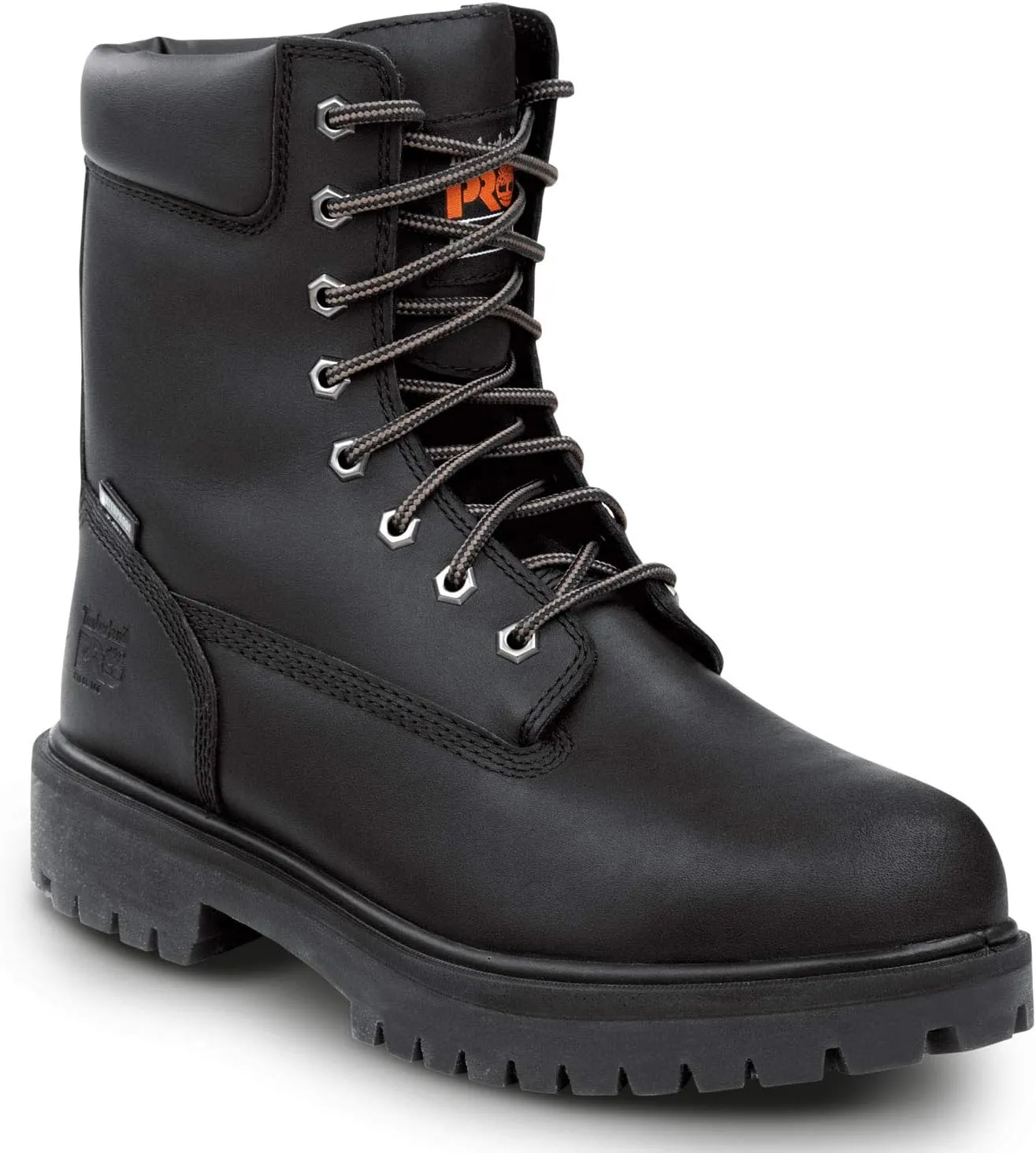
1 | Heavy-duty job sites | Strong safety package, slip resistance, and all-day comfort system | ||
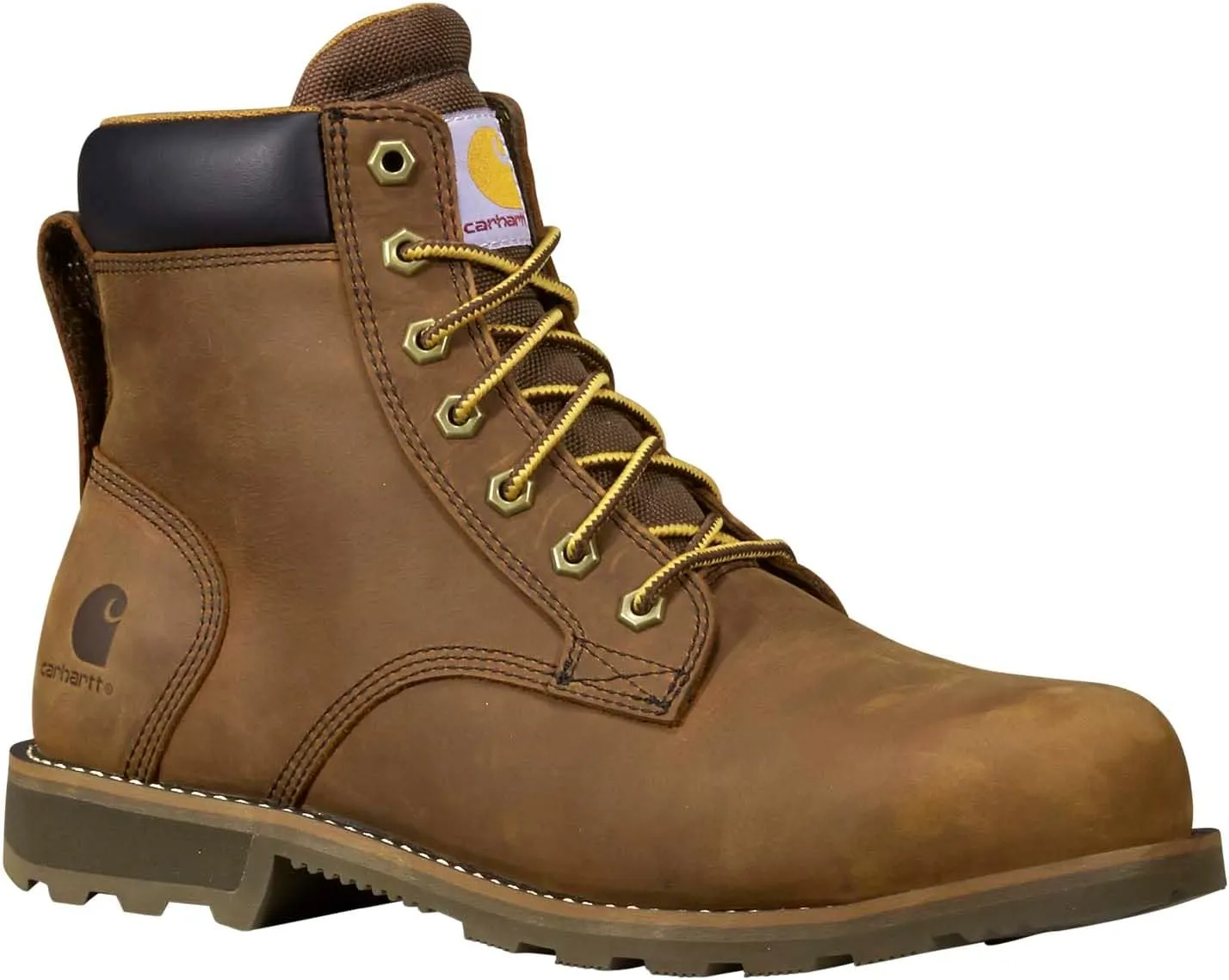
2 | Mixed indoor/outdoor work | Solid balance of water resistance, comfort, and jobsite durability | ||
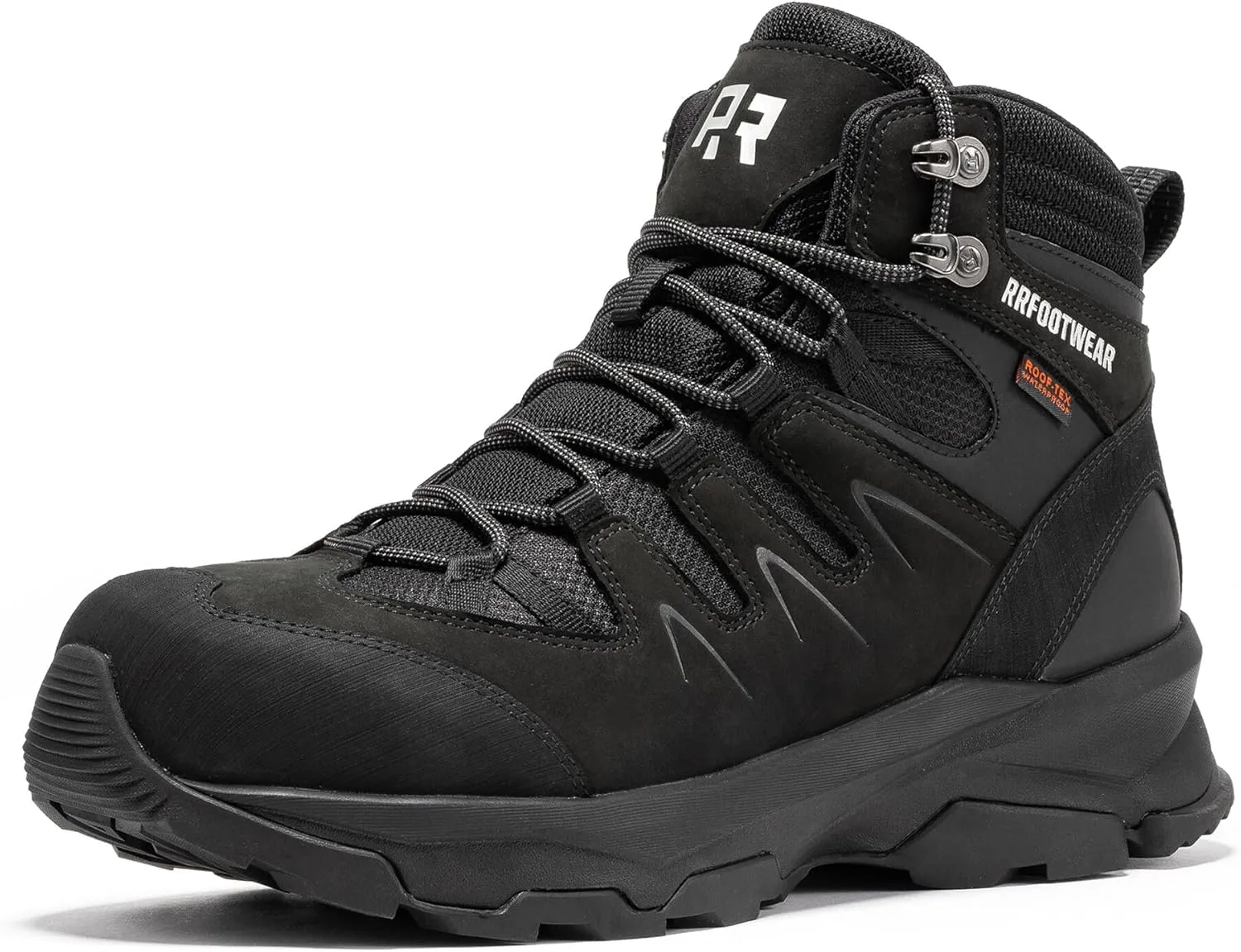
3 | Lightweight safety | Athletic feel, waterproof membrane, and lower fatigue for long shifts |
Comparison Table
Product | Protection Type | Waterproofing | Comfort / Support | Price |
Waterproof / rugged | Full waterproof build | Warm, stable, lightweight | ||
Steel toe, EH-rated | Waterproof leather upper | 24/7 comfort system | ||
Soft toe, EH protection | Seam-sealed waterproof | Anti-Fatigue system, insulated | ||
Soft toe / EH | Water-resistant profile | Double cushioning, pigskin lining | ||
Steel toe | ROOF-TEX waterproof membrane | Lightweight, sneaker-like comfort | ||
Steel toe | Durable leather upper | Removable PU sock liner | ||
Steel toe | Water-resistant Rain Defender leather | Insite footbeds, EVA midsoles |
Why Choosing the Right Work Boot Matters
A work boot is not just footwear. It is a safety tool, a fatigue-reduction system, and in many cases a productivity accessory. A boot with the wrong outsole can reduce traction on wet concrete. A boot without proper arch support can increase strain on the plantar fascia and calves during long standing periods. A boot with poor toe protection can turn a small impact into a serious injury.
Here are the technical factors that matter most:
1. Toe protection
Steel toes provide reliable impact and compression resistance. Soft toes may be preferable where lighter weight and flexibility matter more than heavy-impact resistance.
2. Outsole grip and compound
Look for slip-resistant rubber, oil resistance, and tread patterns that shed mud and water. The outsole compound determines how the boot behaves on smooth tile, concrete, gravel, and oily floors.
3. Waterproofing and breathability
A fully waterproof boot is not always the same as a breathable boot. Membranes, seam sealing, and leather treatment determine how well the boot blocks water while managing sweat.
4. Support system
Steel shanks, cushioned insoles, EVA midsoles, and arch support help distribute load and reduce foot fatigue. This matters more than most buyers realize, especially on 8- to 12-hour shifts.
5. Construction method
Goodyear welt, double welt, and reinforced stitching generally signal better rebuild potential and long-term durability. Bonded construction can still be good, but it usually trades repairability for weight savings and cost efficiency.
6. Job environment fit
Warehouse work, construction, electrical work, wet-season outdoor work, and cold-weather work all demand slightly different performance traits. The best boot is the one that matches the conditions you actually face.
Overview
This is one of the most technically complete boots in the lineup. It combines a steel toe, electrical hazard protection, waterproof leather upper, and a slip-focused MaxTRAX tread. That makes it a strong choice for demanding job sites where impact protection, traction, and weather resistance all matter at once.
Key specifications
Steel toe protection
ASTM F2413-18 M/I/C EH compliant
Waterproof leather upper
MaxTRAX tread for superior slip resistance
Breathable, moisture-wicking lining
Timberland PRO 24/7 comfort system
Real-world benefits
The steel toe helps protect against compression and falling-object hazards.
The MaxTRAX outsole is designed to improve confidence on slick or uneven surfaces.
The comfort system helps reduce fatigue during long shifts, especially when standing or walking on hard floors.
Pros
Strong all-round safety package
Good traction-focused outsole
Comfort system is built for all-day wear
EH protection adds another safety layer
Cons
Higher price than entry-level options
May feel substantial if you prefer lighter footwear
Best for
Construction workers, site supervisors, maintenance teams, and anyone who needs serious protection with dependable traction.
Overview
This boot is built for cold, wet, and physically demanding conditions where warmth and comfort are priorities. It uses seam-sealed waterproof leather, insulation, and an Anti-Fatigue comfort system. Although it is a soft toe model, it still offers electrical hazard protection and a very durable rubber compound.
Key specifications
Soft toe design
Seam-sealed waterproof leather
Insulated lining
Anti-Fatigue Technology
Heat-resistant Timberland PRO rubber
Electrical hazard protection
Real-world benefits
The insulation helps retain heat in colder environments.
The waterproof build keeps feet dry in rain, mud, and wet ground.
The Anti-Fatigue system is designed to return energy to the foot and reduce standing stress.
Pros
Excellent for wet and cold conditions
Comfortable over long shifts
Waterproof construction is robust
Good grip and abrasion resistance
Cons
Soft toe may not suit high-impact environments
Premium pricing
Best for
Outdoor workers, delivery teams, winter construction, and job sites where cold-weather comfort matters more than steel-toe protection.
Overview
The Carhartt’s Frontier model is designed to be tough without feeling overly bulky. It brings steel toe protection, water resistance, and comfort-forward interior components such as Insite footbeds and EVA midsoles. It is well suited to users who need durability but still want a boot that feels wearable through a full shift.
Key specifications
Steel toe protection
ASTM-compliant impact/compression safety
Rain Defender water-resistant leather
Insite footbeds
EVA midsoles
Slip-resistant rubber outsole
FastDry lining
Real-world benefits
Water-resistant leather helps handle wet ground and unpredictable weather.
FastDry lining supports moisture control during active work.
The footbed and midsole combination helps make long wear more manageable.
Pros
Balanced mix of durability and comfort
Water resistance is useful for mixed conditions
Good everyday work boot geometry
Strong brand reputation in workwear
Cons
Water-resistant, not fully waterproof
Price is mid-to-premium
Best for
General construction, warehouse-to-field transitions, and workers who want an everyday steel-toe boot with reliable comfort.
Overview
This boot stands out because it aims to feel more like an athletic shoe while still delivering industrial safety. At approximately 1.36 lbs per boot, it is noticeably lighter than traditional safety boots. That lighter feel can make a major difference for workers who are constantly walking, lifting, or climbing.
Key specifications
Steel toe cap
ROOF-TEX waterproof membrane
Lightweight construction
Shock-absorbing midsole
Arch support insole
High-traction rubber outsole
30-day return policy and 1-year defect warranty
Real-world benefits
The low weight can reduce leg and foot fatigue over long shifts.
Waterproofing helps protect against wet surfaces and light exposure to standing water.
The outsole is designed for grip on concrete, gravel, and muddy terrain.
Pros
Very lightweight for a safety boot
Waterproof membrane adds versatility
Athletic feel improves comfort for mobile workers
Good warranty coverage
Cons
The sneaker-like feel may not appeal to users who prefer a traditional boot
Less formal-looking than some worksite options
Best for
Warehouse staff, mobile technicians, outdoor service workers, and anyone who values lightweight comfort without giving up steel toe protection.
Overview
The SureTrack boot is a comfort-focused work boot with a rugged build. It combines full-grain leather, pigskin lining, dual-density PU outsole, and a steel shank for support. Its Goodyear welt construction is especially important because it suggests a more durable build method commonly associated with industrial-grade boots.
Key specifications
Soft toe profile
Full-grain leather upper
Pigskin lining
Double-layer cushioning
Steel shank
Dual-density PU outsole
Goodyear welt construction
Available in medium and wide widths
Real-world benefits
The double cushioning helps reduce pressure from hard floors.
The steel shank improves underfoot stability and arch support.
The wide width availability makes fitting easier for more foot shapes.
Pros
Comfortable right out of the box
Goodyear welt improves durability
Good width options
Strong value for the price
Cons
No steel toe
Less protective than heavy-duty safety boots
Best for
Workers who need a tough, comfortable boot for long hours but do not require steel toe protection.
👉🏾Check price on Amazon
Overview
The Cat Striver is a straightforward, practical steel toe boot that focuses on the basics: protection, slip resistance, durability, and comfort. It uses oiled full-grain leather and a removable PU sock liner, making it a sensible pick for buyers who want something dependable without too many extra features.
Key specifications
Steel toe protection
ASTM F2413-18 impact and compression protection
Slip-resistant outsole
Removable PU sock liner
Oiled full-grain leather upper
Real-world benefits
The steel toe helps protect against common site hazards.
The slip-resistant outsole improves stability on low-traction surfaces.
The removable liner can make cleaning and fit tuning easier.
Pros
Solid basic safety package
Durable leather upper
Good low-traction grip
Practical and easy to wear
Cons
Less advanced comfort technology than premium models
Waterproofing is not emphasized as strongly as on some rivals
Best for
Buyers who want a reliable steel toe work boot with traditional styling and practical durability.
Overview
This is the most niche entry in the list, but it is still a useful waterproof boot for rugged, wet environments. It is designed for active use in mud, rain, and uneven terrain. The waterproof build, stability-focused outsole, and warm interior make it suitable for wet conditions where basic rain boots would be too flimsy.
Key specifications
Fully waterproof build
Steel shank for arch support and puncture resistance
Low center of gravity outsole design
HydroKote water-repellent construction
Lightweight and warm interior
Real-world benefits
Keeps feet dry in rain, mud, and wet terrain.
The steel shank improves support and stability.
The design is built to stay comfortable in cold and wet conditions.
Pros
Fully waterproof
Stable on uneven terrain
Lightweight for a rugged boot
Warm and comfortable
Cons
More specialized than the other options
Less appropriate for formal jobsite use
Best for
Wet-weather outdoor use, muddy environments, and rugged utility wear.
Buying Guide: How to Choose the Right Work Boot
When comparing work boots, the smartest approach is to think like an engineer, not a casual shopper. Focus on performance variables that affect your feet over time.
1. Choose the right toe type
Steel toe: Best for heavy-duty protection, impact resistance, and compression hazards.
Soft toe: Better if you need flexibility, lighter weight, or less aggressive protection.
2. Match waterproofing to your environment
Waterproof: Best for wet seasons, mud, and standing moisture.
Water-resistant: Fine for light rain or occasional splash exposure.
Insulated + waterproof: Best for cold and wet climates.
3. Pay attention to the outsole
A good outsole should offer:
slip resistance
oil resistance
abrasion resistance
tread depth appropriate to the terrain
Flat smooth soles are usually less effective on rough sites. Deeper tread helps on gravel and mud, but can feel less stable on polished indoor surfaces.
4. Check the support system
Workers who stand all day should pay close attention to:
arch support
shank support
footbed cushioning
midsole material
A boot can have a strong upper and still fail to feel good if the underfoot structure is weak.
5. Consider construction quality
Goodyear welt / double welt: Often a sign of better durability and stronger long-term value.
Bonded or molded construction: Often lighter and more affordable, but usually less repair-friendly.
6. Think about weight
A lighter boot may reduce fatigue, but some weight is often necessary for stability and protection. The right balance depends on whether you prioritize mobility or maximum protection.
Frequently Asked Questions
What is the difference between steel toe and soft toe boots?
Steel toe boots use a reinforced toe cap for impact and compression protection. Soft toe boots do not have that hard protective shell, so they are lighter and more flexible but less protective.
Are waterproof boots always breathable?
No. Waterproofing and breathability are related but not identical. Some boots block water very well but trap more heat and moisture. Membranes and lining materials determine how well a boot manages both.
What does electrical hazard protection mean?
Electrical hazard protection is a secondary safety feature that helps reduce the risk of electrical shock in certain environments. It is not a substitute for proper electrical safety procedures.
Why does a steel shank matter?
A steel shank helps support the midfoot and improves stability. It can also reduce foot fatigue and help protect against puncture-related hazards.
How important is slip resistance?
Very important. Slip resistance affects safety on wet floors, oily surfaces, gravel, and mud. For many workers, it is one of the most valuable boot features after toe protection.
Should I choose a lighter boot or a heavier boot?
Lighter boots usually reduce fatigue and feel easier to wear all day. Heavier boots often provide a more substantial safety feel and may be more durable. The best choice depends on your work environment.
Conclusion
The best work boot is the one that matches your workload, your terrain, and your comfort needs. If you want the strongest all-round safety package, the Timberland PRO 8IN Steel Toe EH MaxTRAX WP Boot is the most complete technical option in this list. If you want a lighter, more mobile safety boot, the ROCKROOSTER Waterproof Steel Toe Safety Work Boots are a smart pick. For a balance of comfort, durability, and everyday usefulness, the Carhartt Frontier and Cat Striver models are both strong contenders.
For cold, wet conditions, the insulated Timberland PRO Direct Attach stands out. For buyers who care about long-wear comfort and rugged construction at a more accessible price point, the SureTrack boot is compelling.
The right choice comes down to one question: do you need maximum protection, maximum comfort, or the best balance of both? Once you answer that, the decision becomes much easier.

